
Home About Lessons Team Gallery Performances Resources Happenings Blog Get Involved
Happenings

Equal Keys for All

Championing equality through music. A nonprofit initiative providing completely free piano lessons and music theory classes — an inclusive program prioritizing under-resourced and neurodiverse youth in Bay Area, volunteered by San Jose's award-winning young pianists.

Get Involved Watch Our Story
1 in 31

U.S. children identified with ASD

11.4%

Of U.S. children diagnosed with ADHD

100%

Can benefit from structured music education

The need is real. The science is clear. Music changes brains.

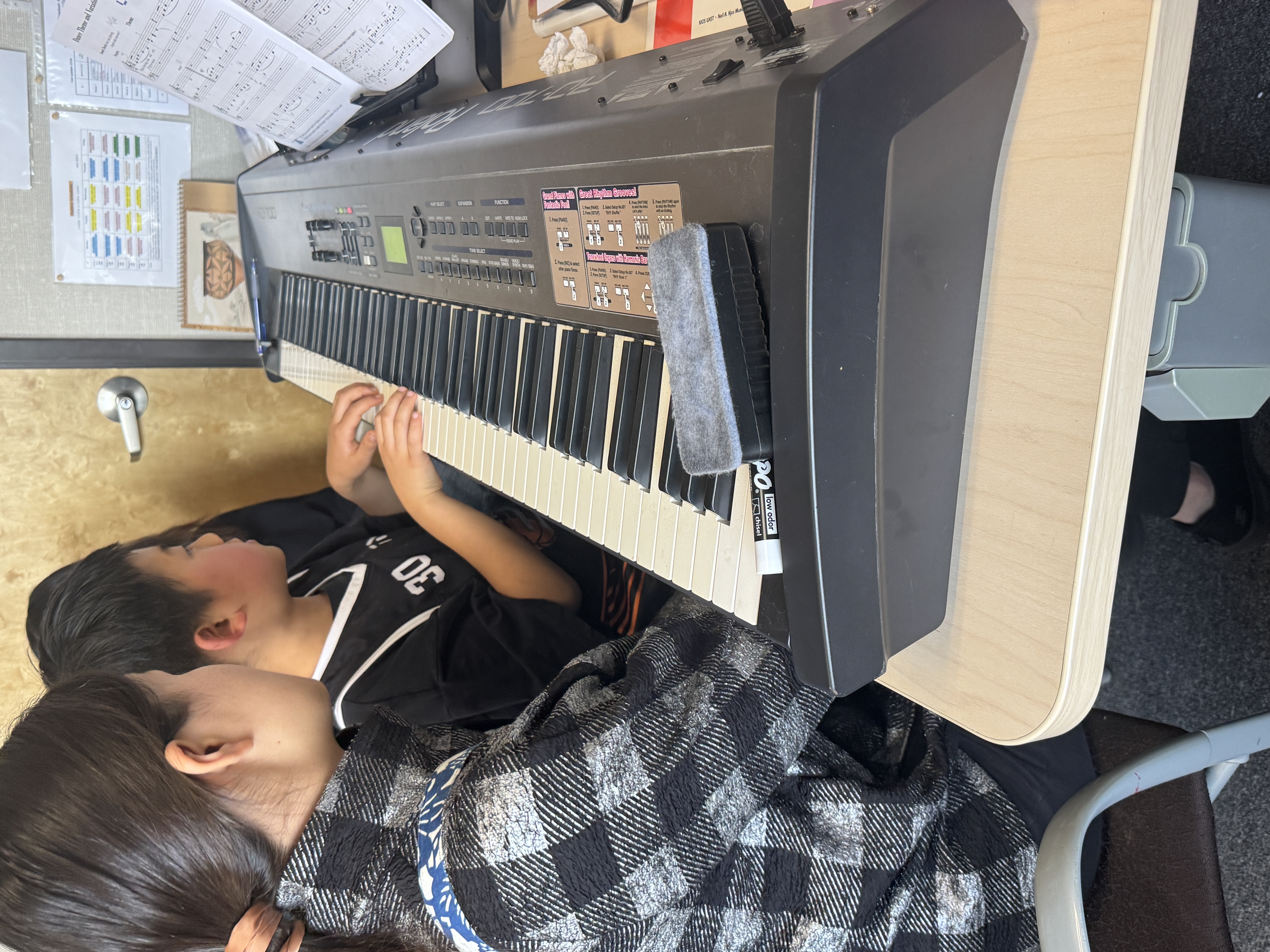
Free Lessons

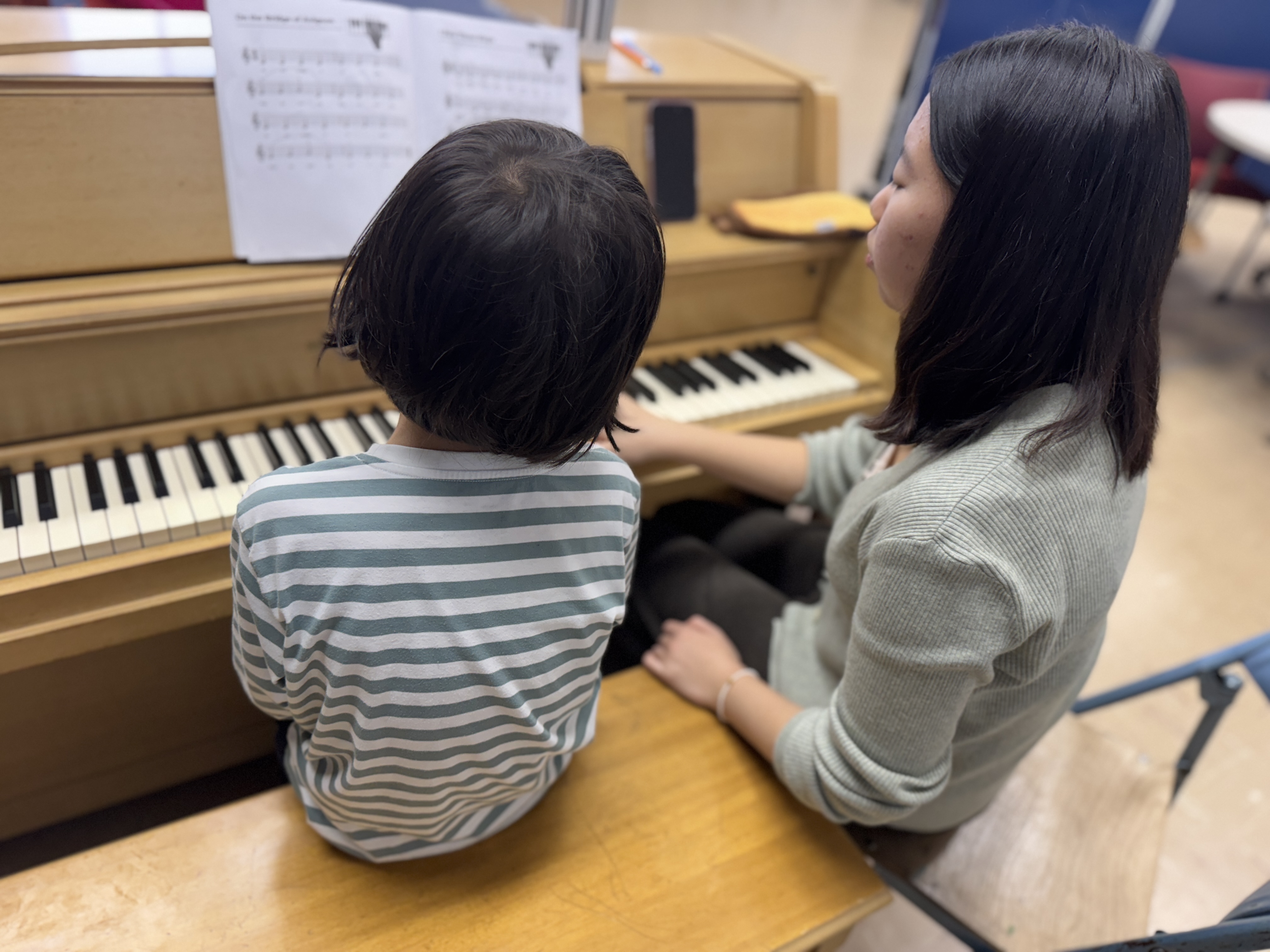
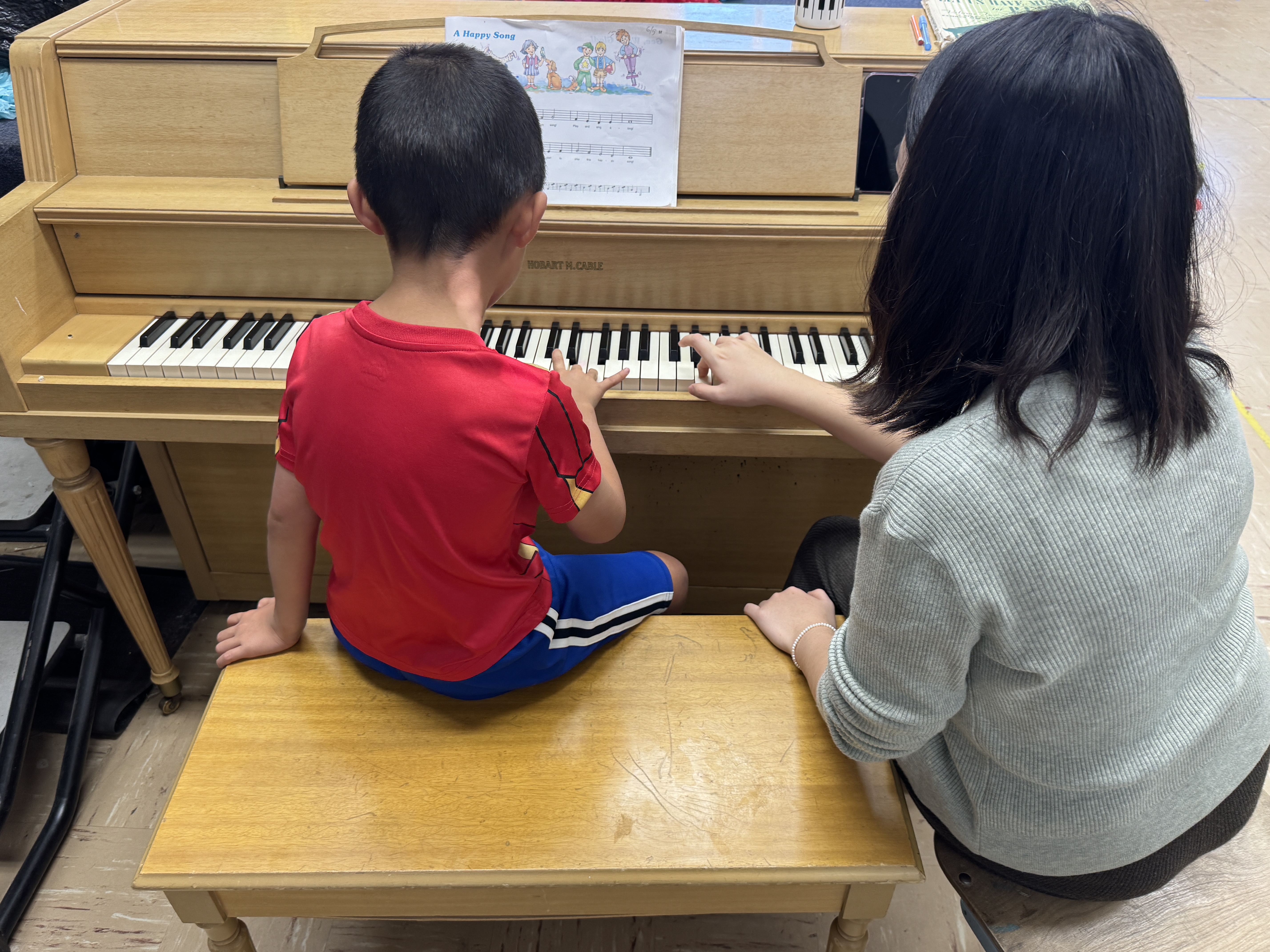
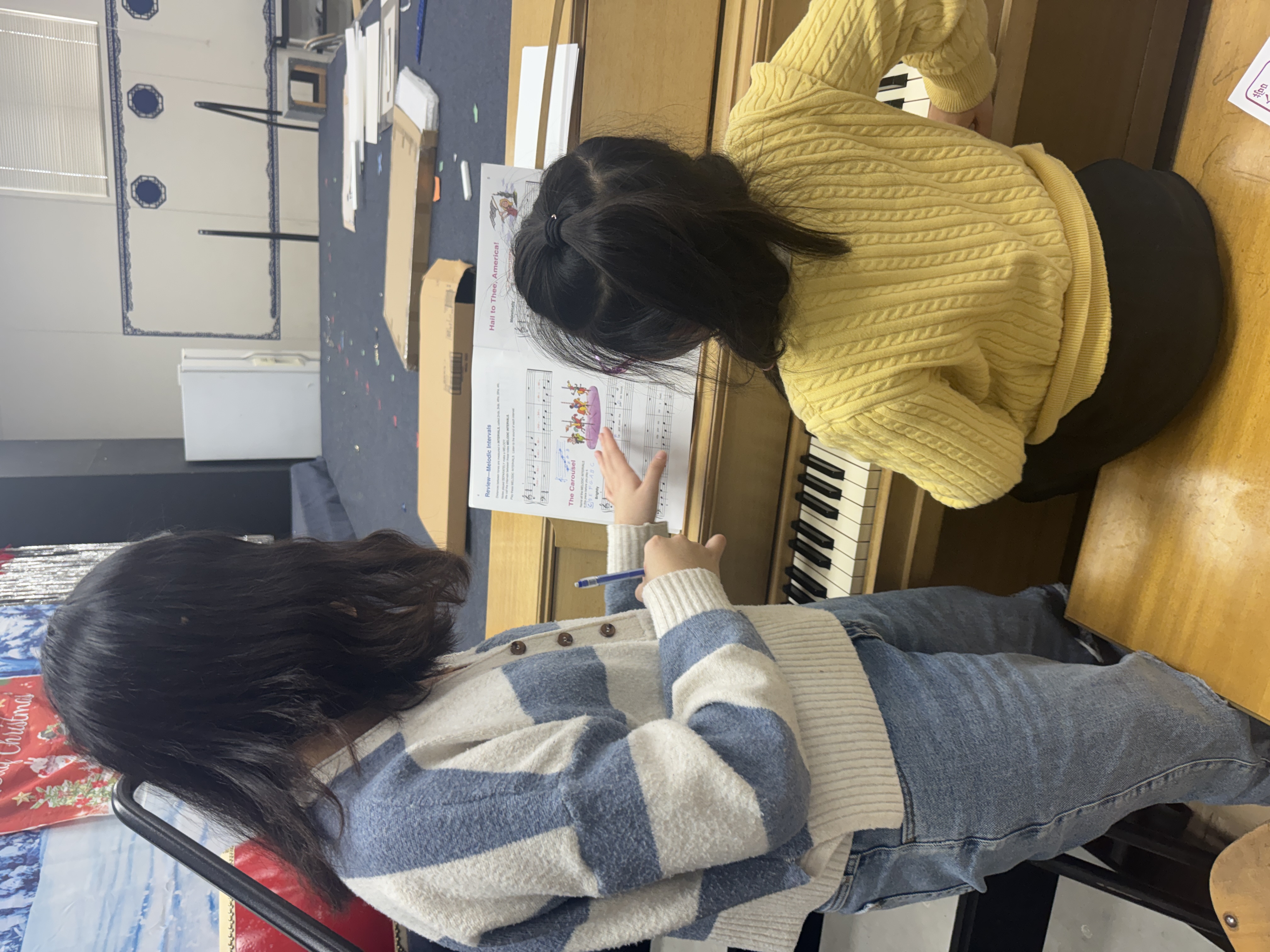
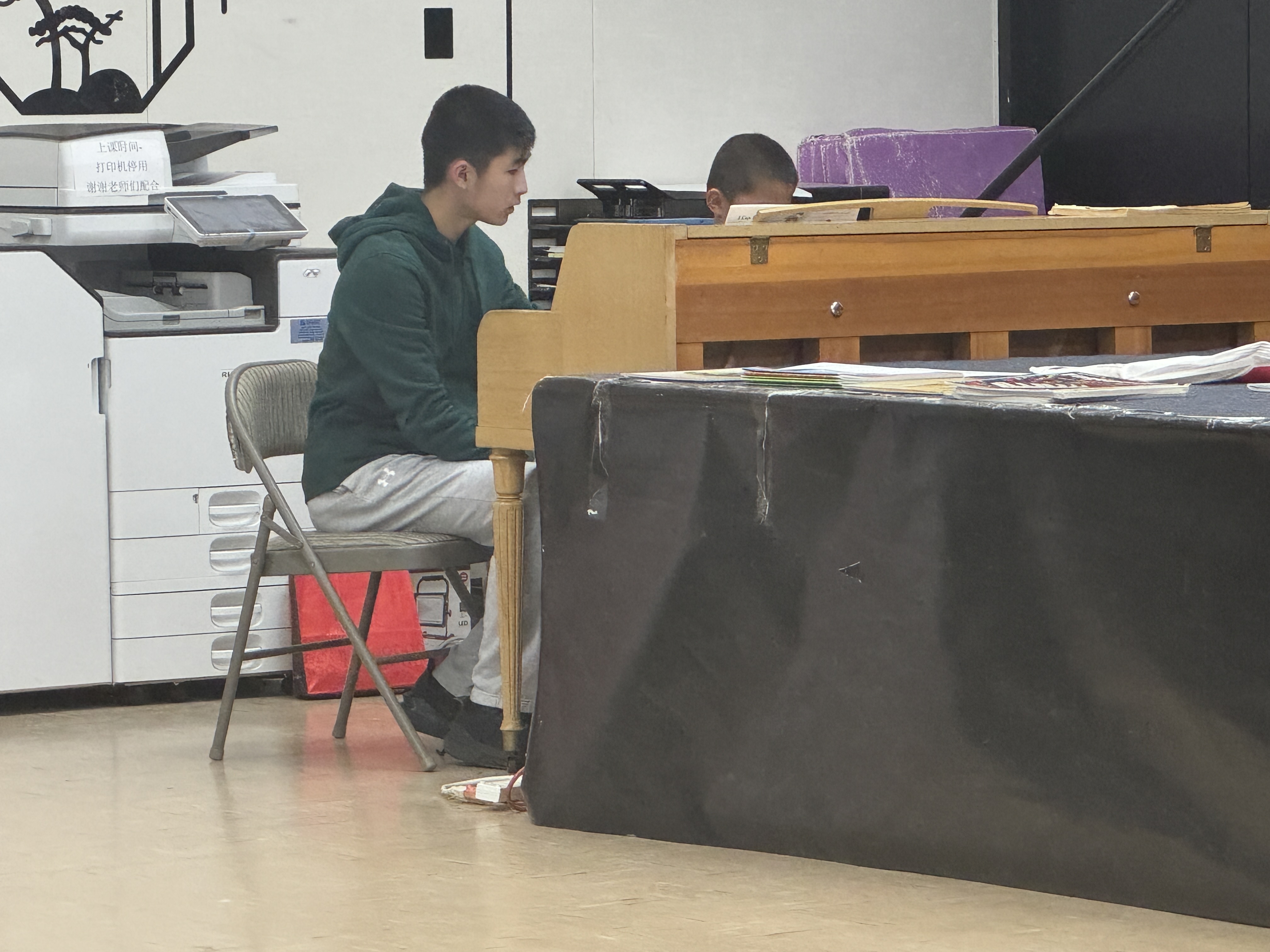
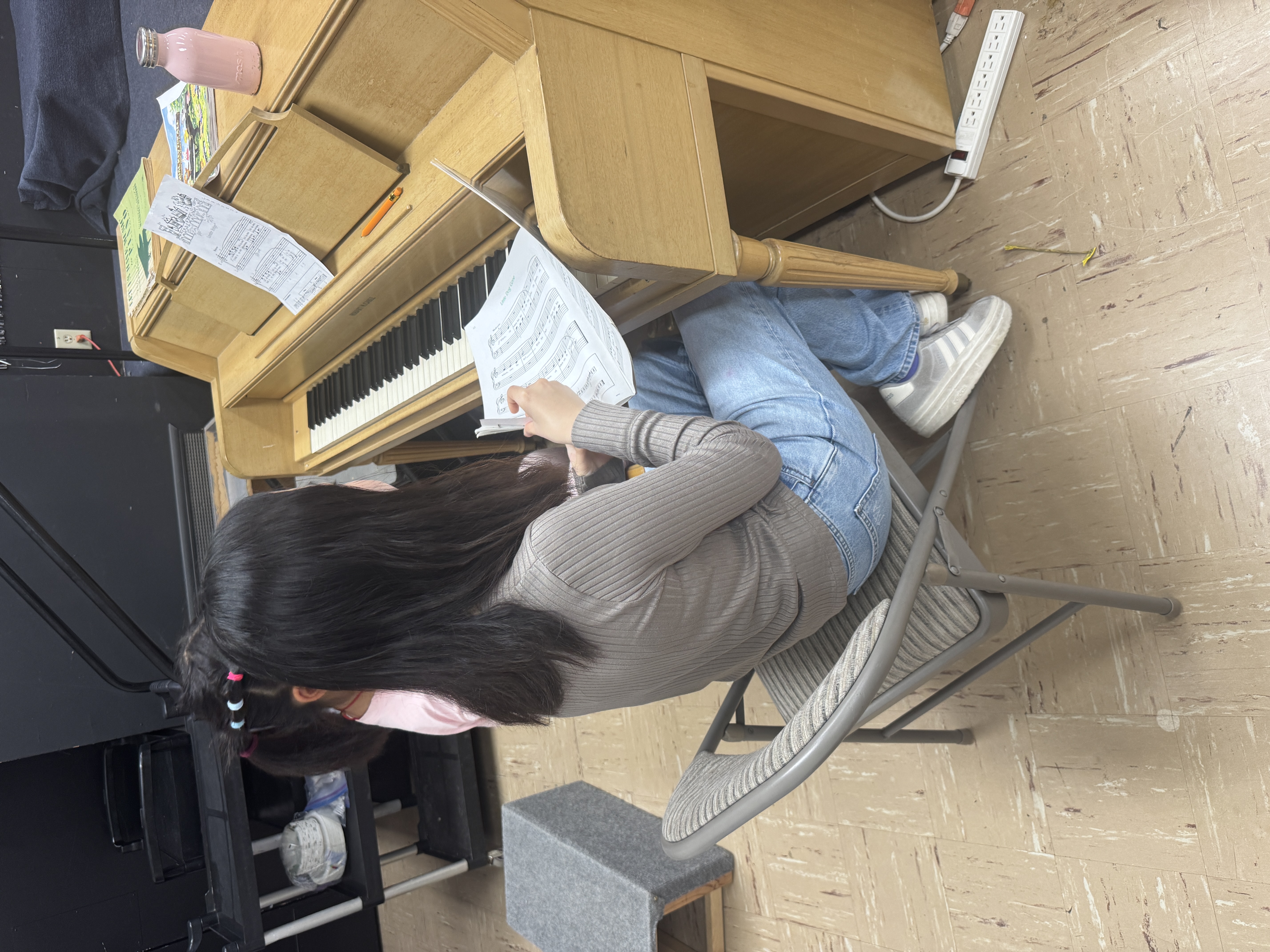
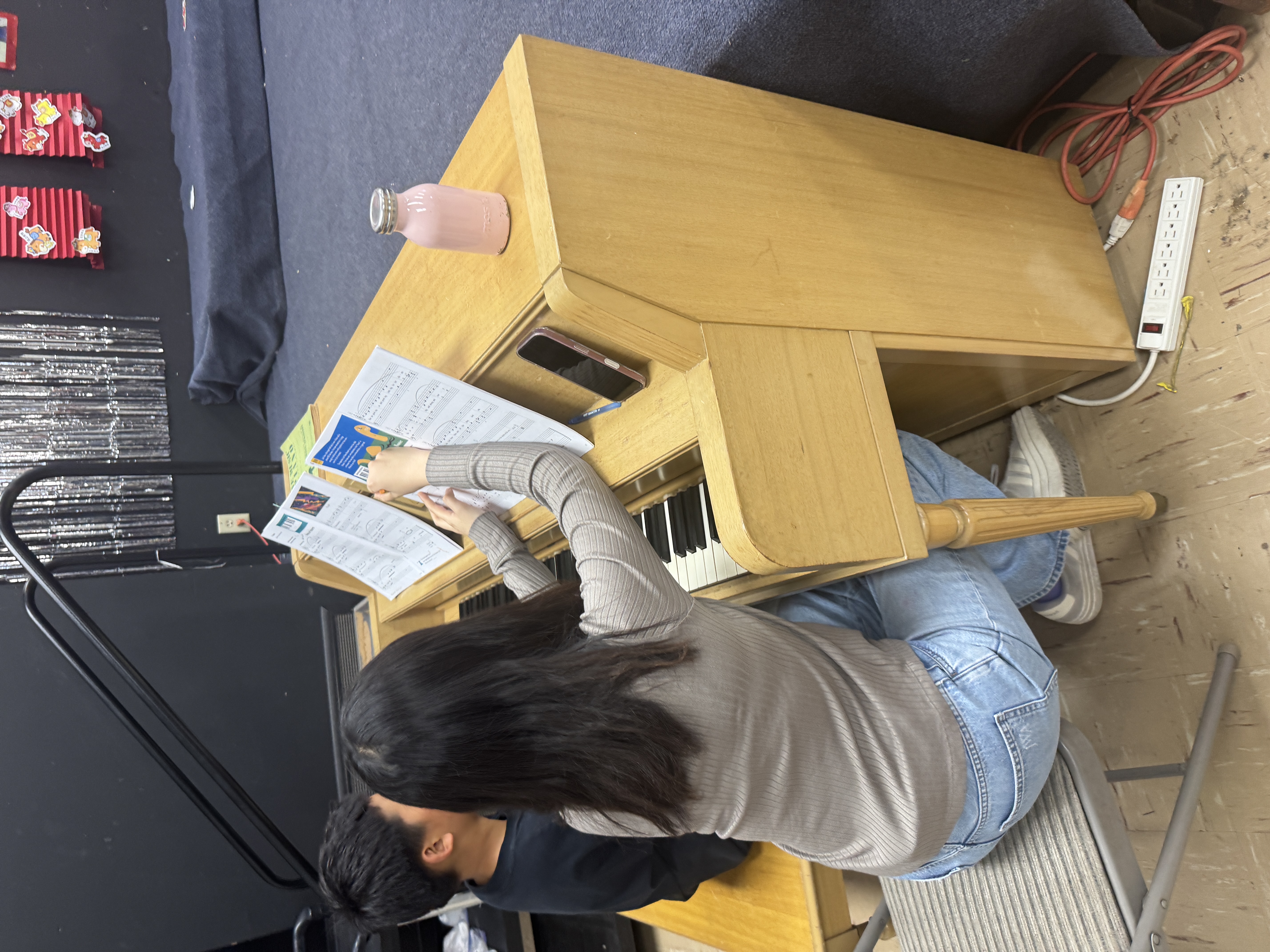
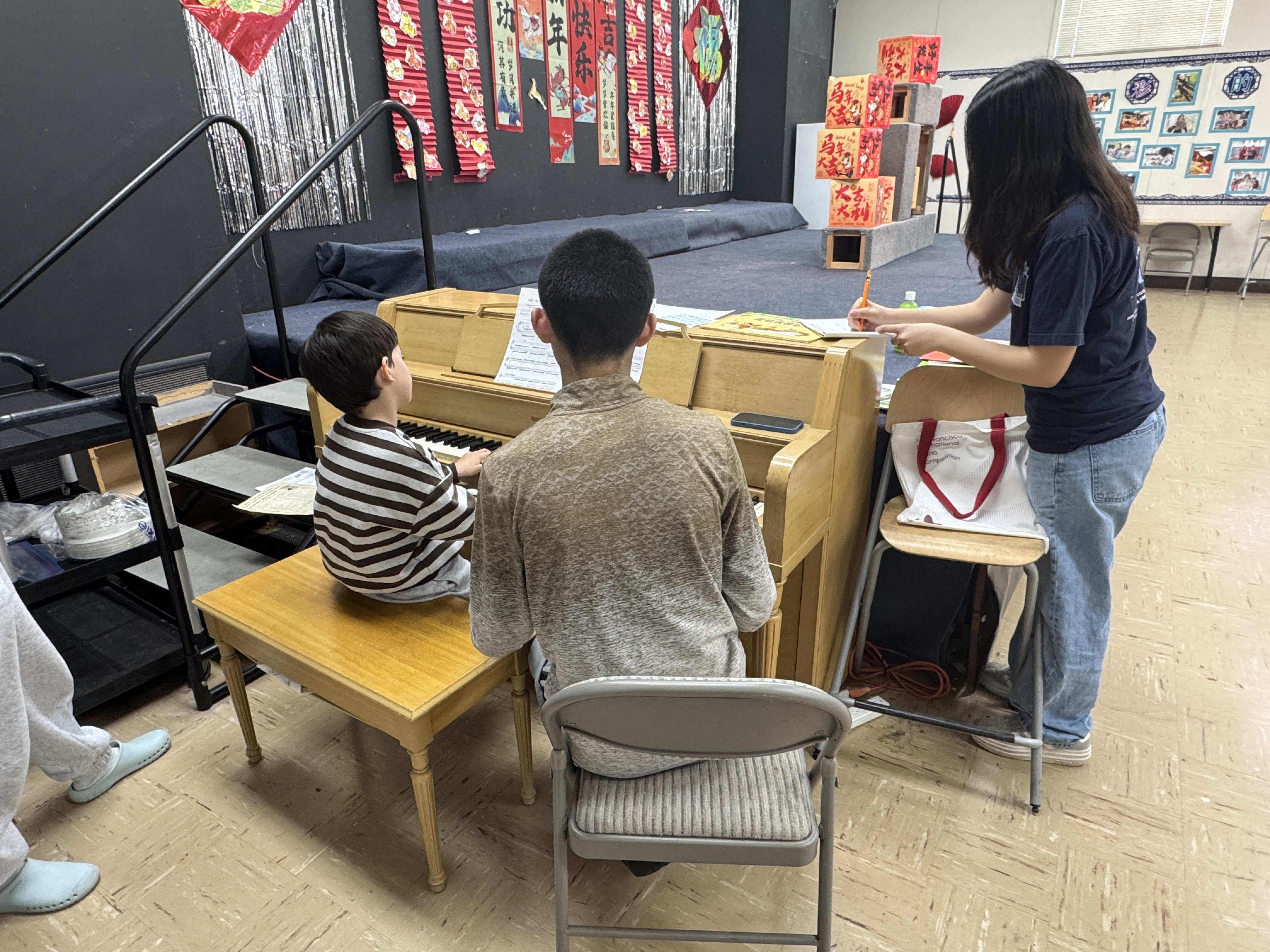
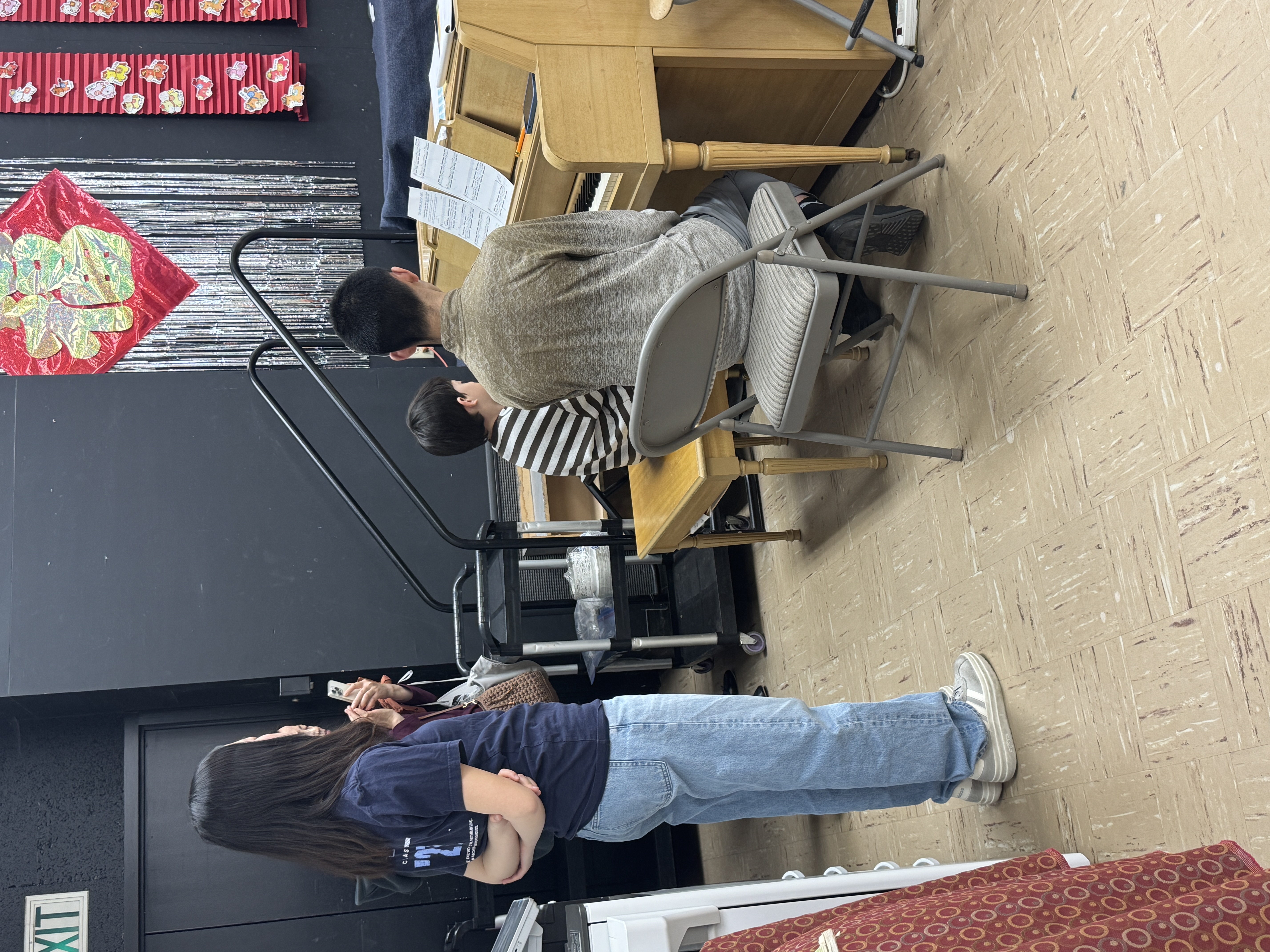
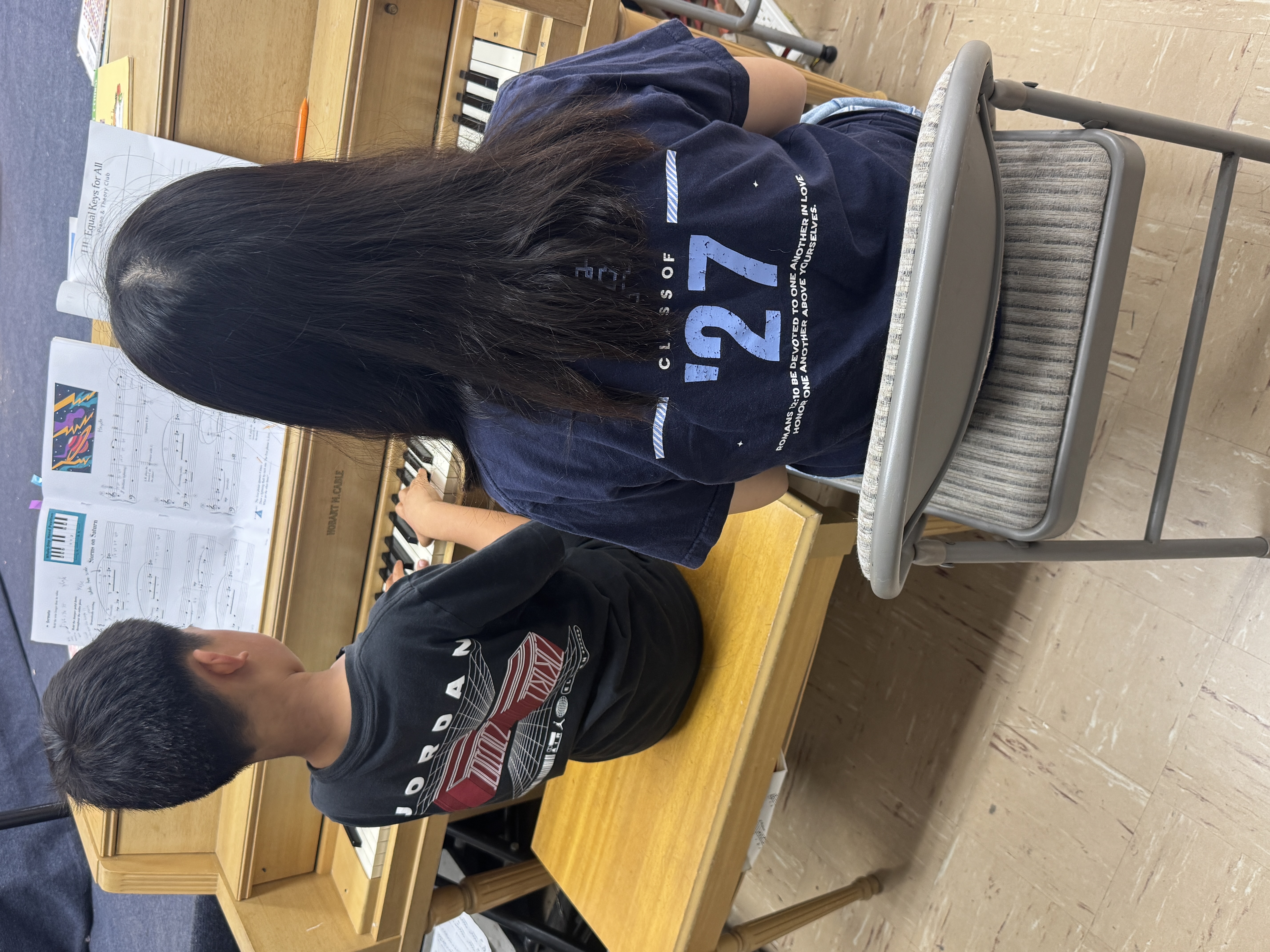
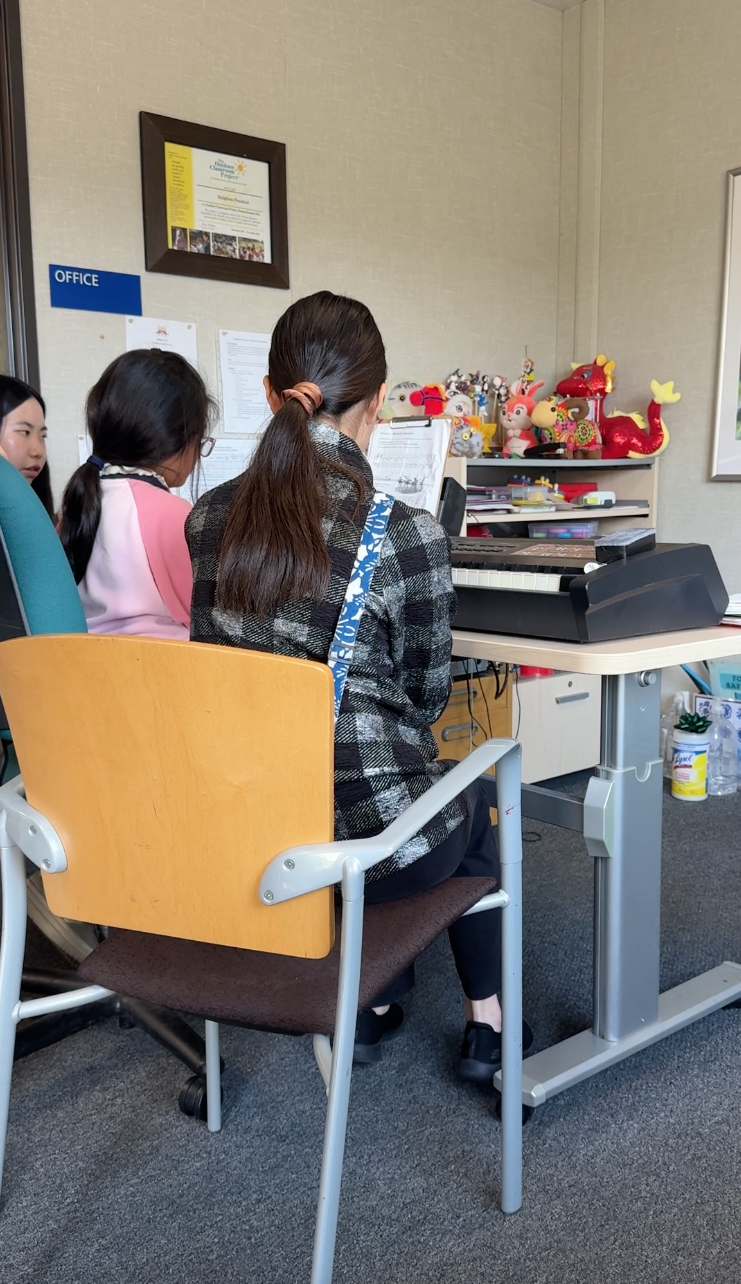
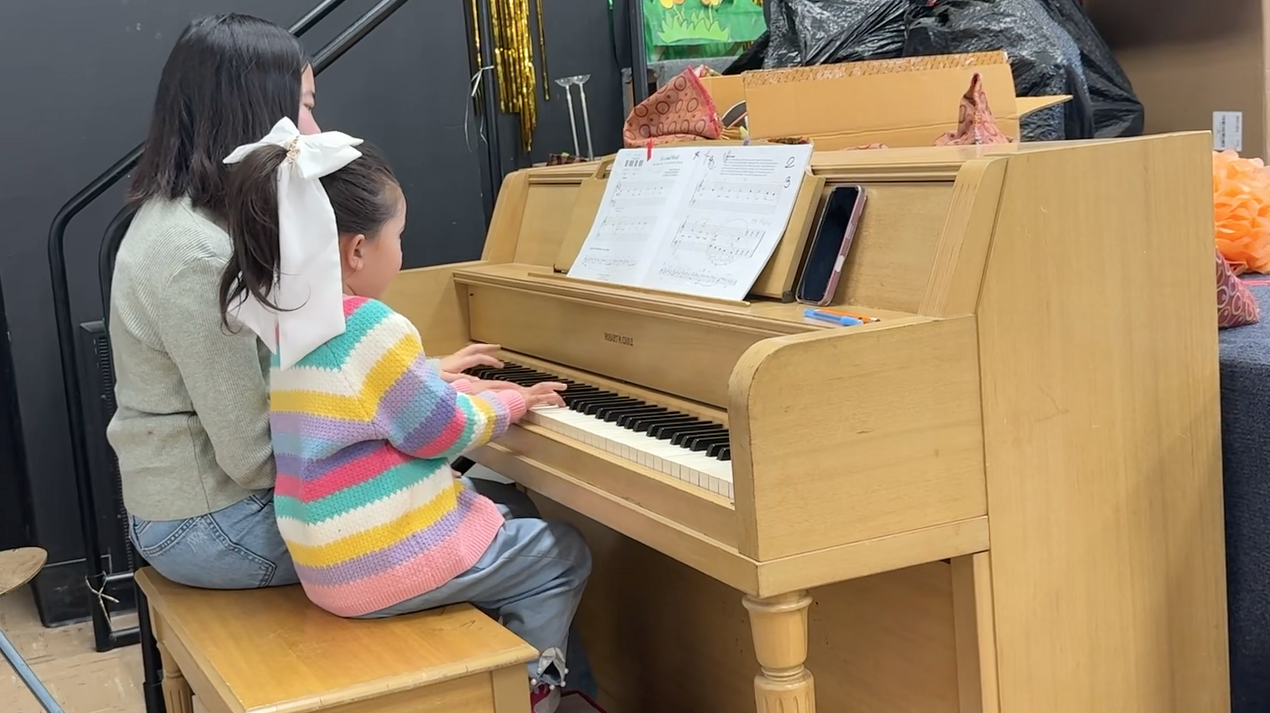
Completely free piano and music theory instruction every Sunday, tailored to each student's unique needs and abilities.

Inclusive Approach

Adaptive, sensory-friendly instruction designed for neurodiverse learners and under-resourced youth.

Award-Winning Instructors

Led by nationally recognized young pianists who volunteer their talent to serve the community.

The Neuroscience of Piano & Neurodiversity

What happens to the neurodivergent brain on music?

Brain Connectivity

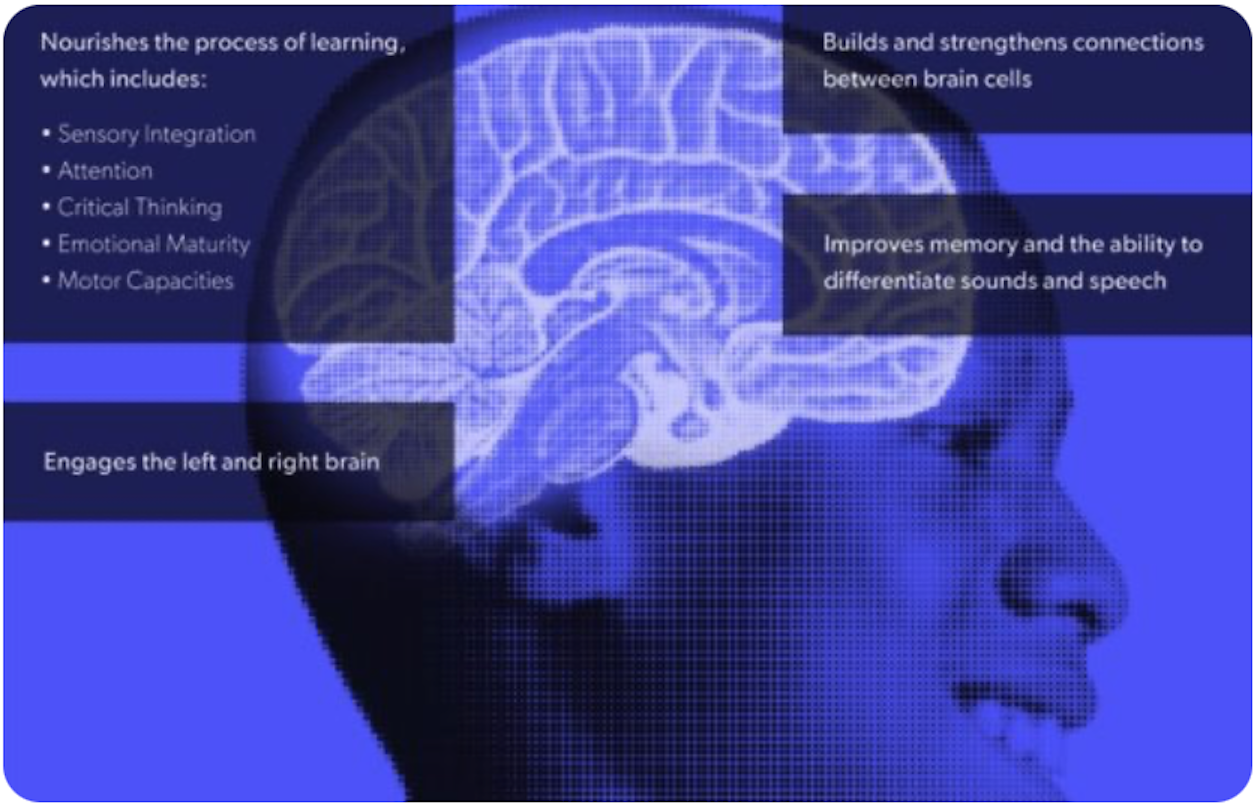
Long-term music training increases the volume of the corpus callosum, improving communication between the left and right hemispheres.

Symptom Reduction

Meta-analyses show a significant reduction (SMD = -0.66) in behavioral symptoms and social communication difficulties in autistic children following music-based interventions.

ADHD & Executive Function

Active music-making improves "hemispheric synchrony," which has been clinically shown to decrease impulsivity and improve sustained attention and timing skills in youth with ADHD.

Social Engagement

Group and 1-on-1 music lessons encourage joint attention, eye contact, and turn-taking without the pressure of standard conversational social cues.

Playing an instrument engages practically every area of the brain at once—especially the visual, auditory, and motor cortices. For neurodiverse youth, learning the piano isn't just an art form; it is a neurological workout that strengthens executive functioning, emotional regulation, and self-esteem.

The Science of Music & The Brain

Our Purpose

Why we exist and how we approach inclusive music education

Our Mission

To dismantle the barriers of traditional classical music education and provide accessible, empowering, and inclusive piano instruction for all.

Our Vision

We believe that music is a fundamental human service, not an exclusive luxury. Our vision is a community where the profound cognitive, emotional, and developmental benefits of music are available to every child, regardless of their neurological makeup or financial background.

Our Approach

We recognize that traditional, rigid piano pedagogy leaves many brilliant minds behind. We bridge the educational gap in the arts by focusing on three core pillars:

Adaptive Instruction

We replace strict posture and rote memorization with full-body kinetic engagement, adapting the instrument to fit the sensory and physical needs of the student.

Radical Empathy

We believe in "tuning the room." Instead of asking what is wrong with the student, we ask what is wrong with the environment, building custom pedagogical bridges in real-time.

Community Accessibility

By bringing our programs directly to local Title 1 schools and community centers, we ensure that high-level musical development is accessible to the students who need it most.

What to Expect in a Lesson

How we flip the script on traditional piano instruction

Traditional classical piano lessons often demand strict posture, rigid discipline, and intense stillness—an environment that can feel restrictive or overwhelming for many neurodiverse learners. At Equal Keys for All, we flip that script. We believe the instrument should adapt to the student, not the other way around.

Kinetic Engagement Over Strict Posture

If sitting still on a piano bench causes a student distress, we simply push the bench away. We encourage playing with whole-body movements, standing up, and stomping the rhythm to channel kinetic energy directly into the keys.

~ calm ~

Sensory-Friendly Environments

We actively observe each student's sensory needs and adjust the space accordingly. By removing the pressure of perfection, we transform the practice room from a place of anxiety into a space of emotional liberation.

custom path

Custom Pedagogical Bridges

There is no one-size-fits-all curriculum here. We meet students exactly where they are, building custom lesson plans in real-time that align with their unique neurological mapping and learning styles.

Joyful Connection

Above all, our lessons focus on the joy of creating sound. We prioritize musical confidence, self-expression, and human connection over rote memorization and flawless execution.

Current Lesson Offerings

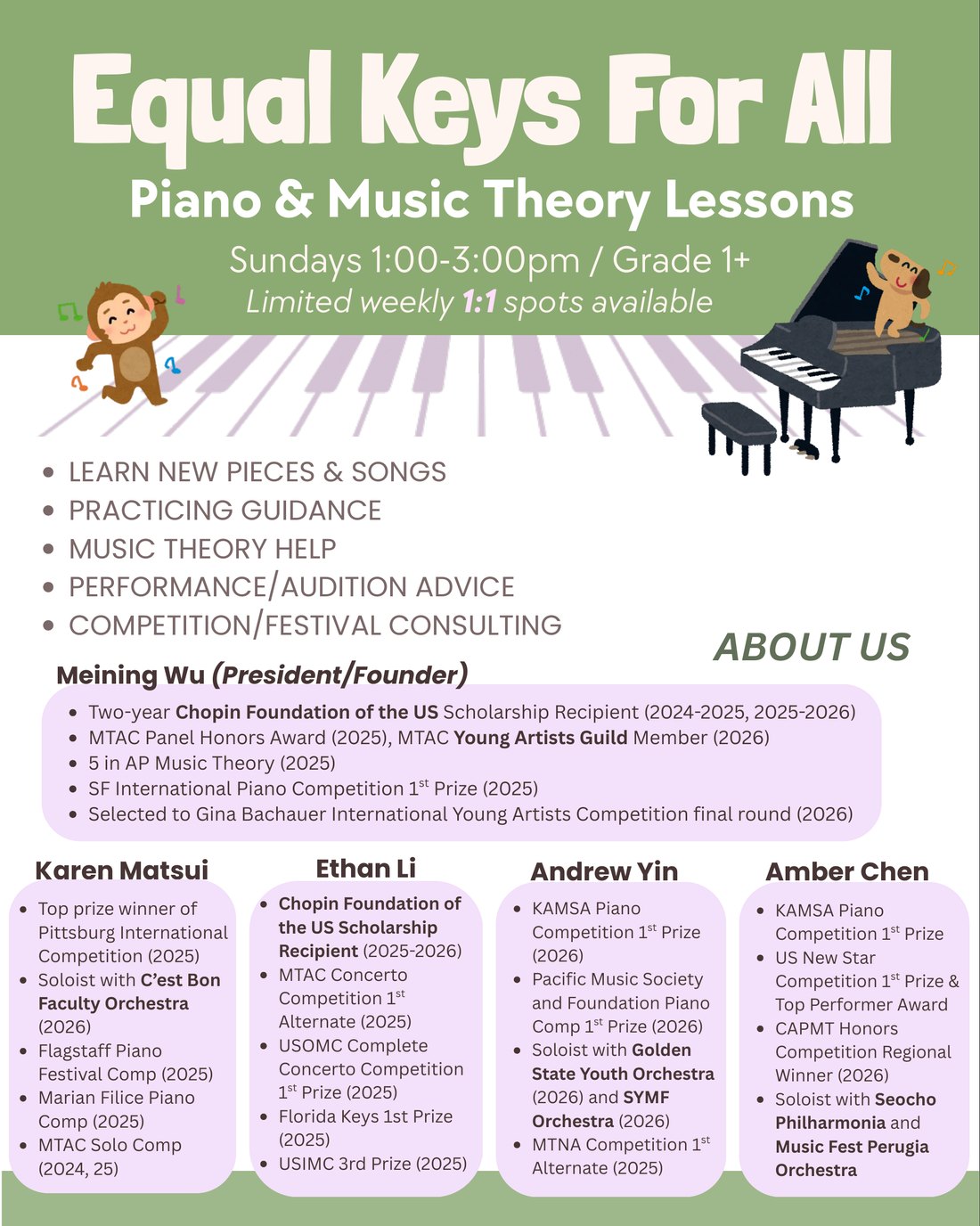
  • Free Piano and Music Theory Lessons: Offered at Enlighten Enrichment School, San Jose, every Sunday 1pm–3pm.
  • Fall 2025 (Aug 24 – Dec 7) • Spring 2026 (Jan 18 – May 10)
  • Limited 1:1 spots available—please contact us to sign up!
  • Summer 2026: Zoom sessions coming soon!
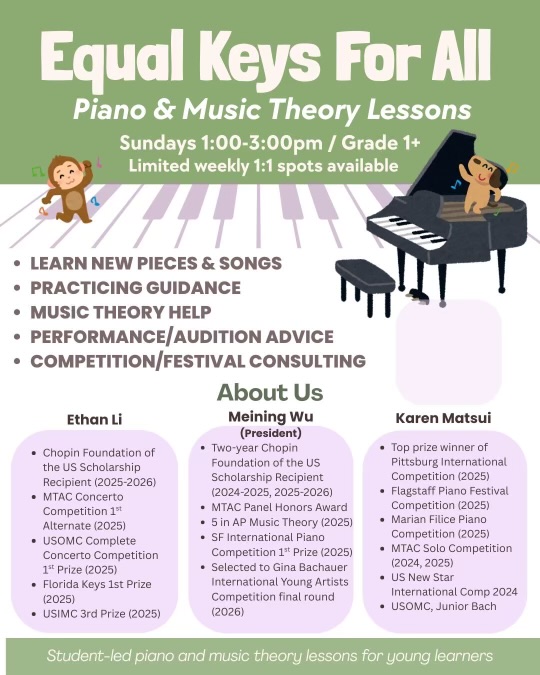
Equal Keys for All Event Poster

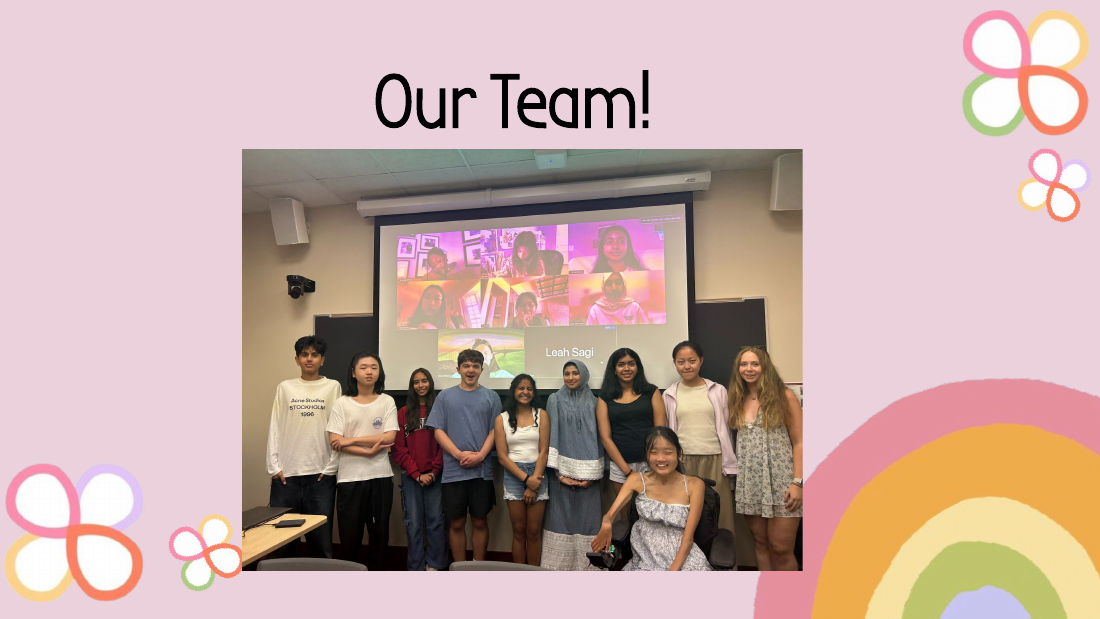
Meet Our Team

Passionate young musicians dedicated to sharing the gift of music

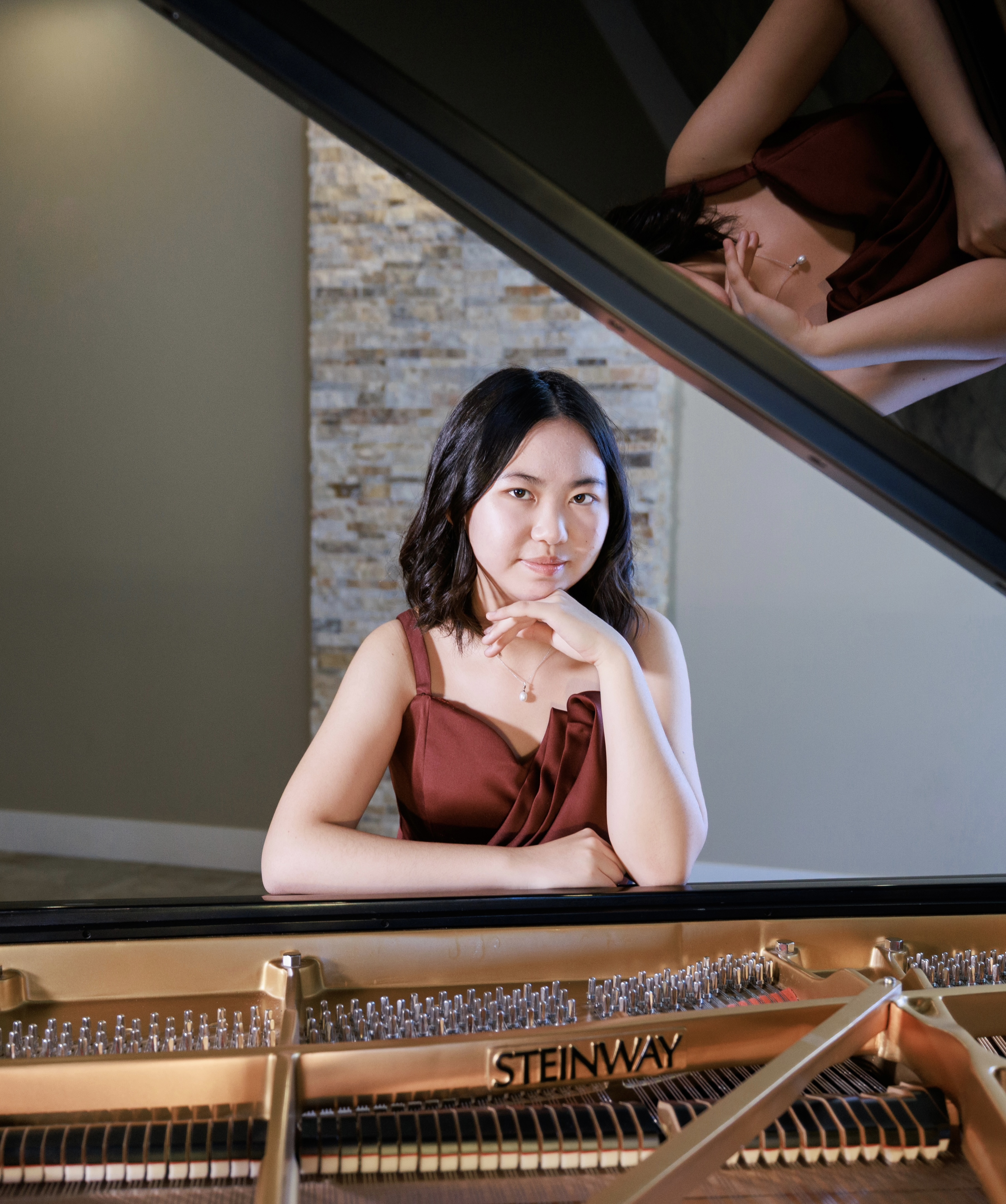
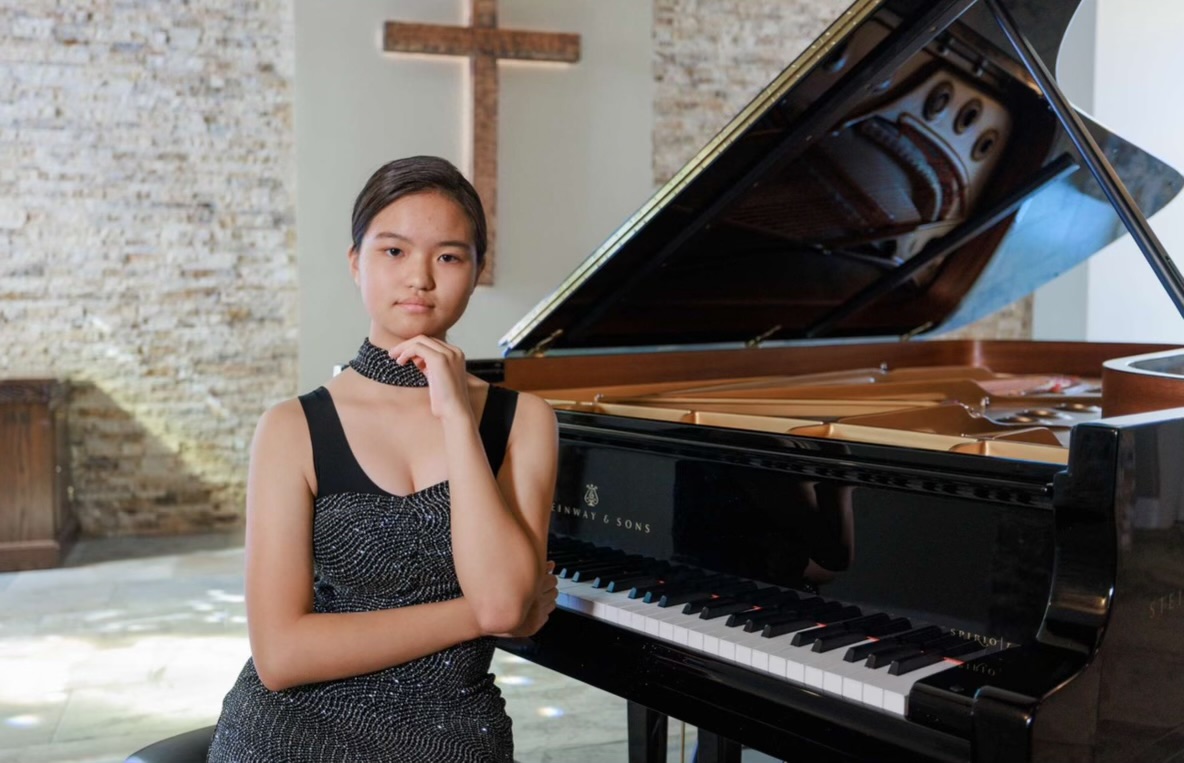
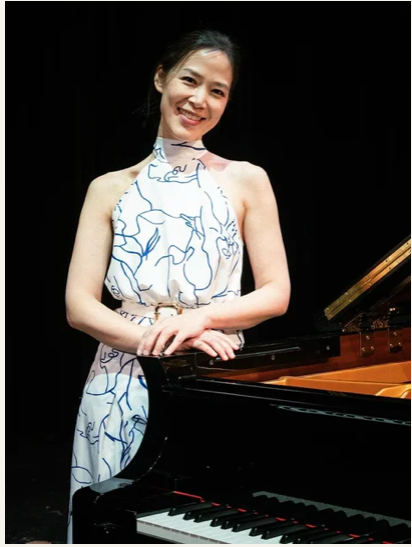
Meining Wu

Meining Wu

Founder & Lead Teaching Artist

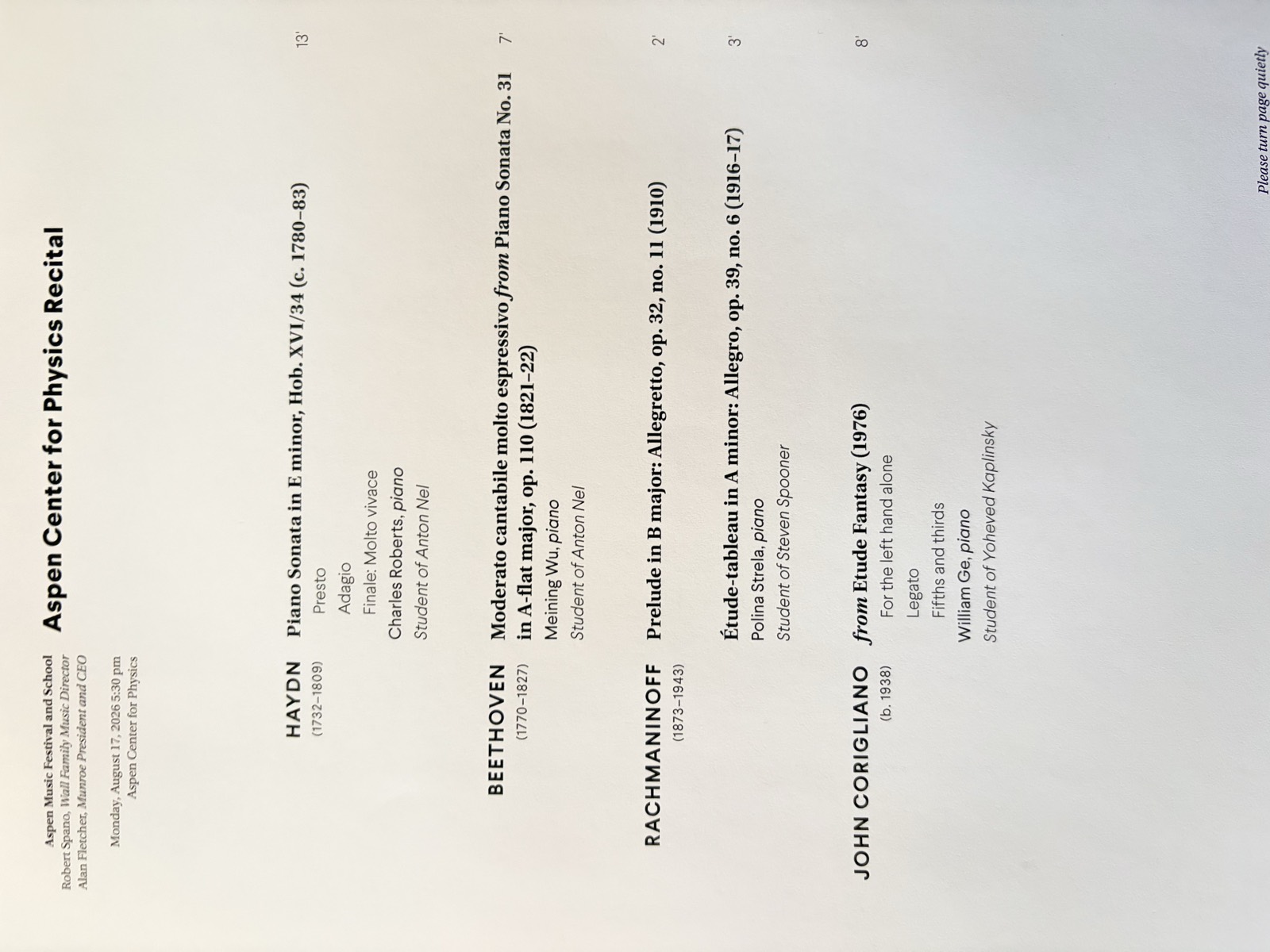
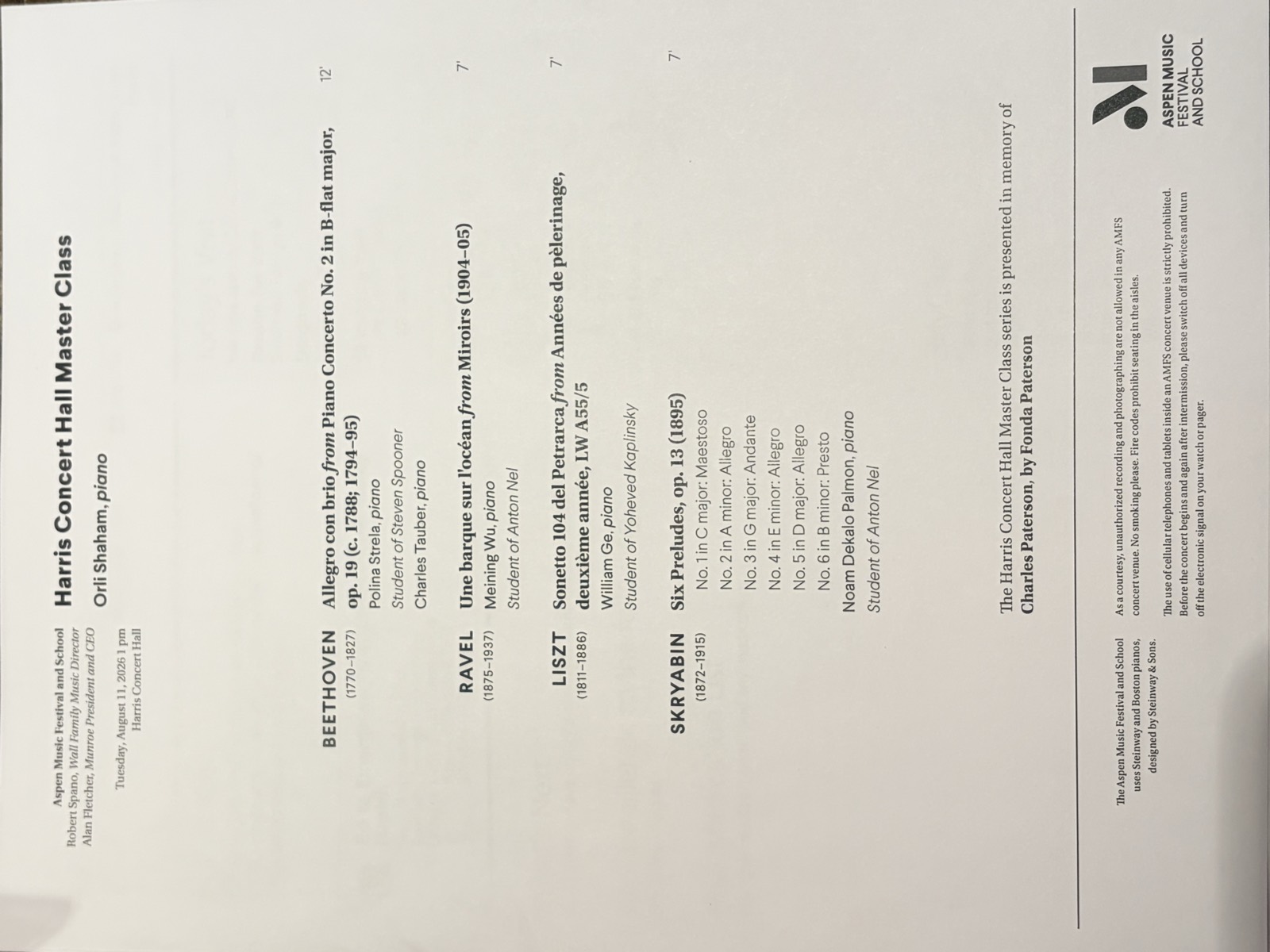
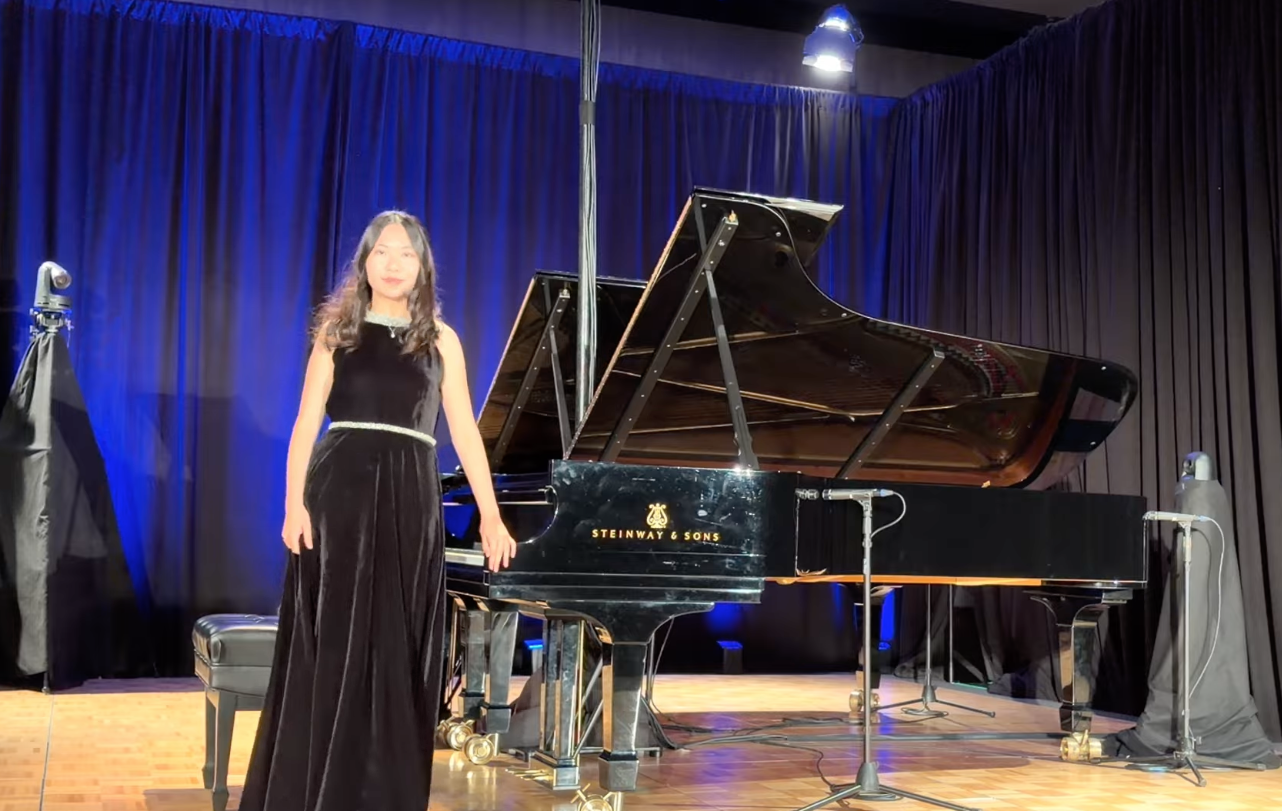
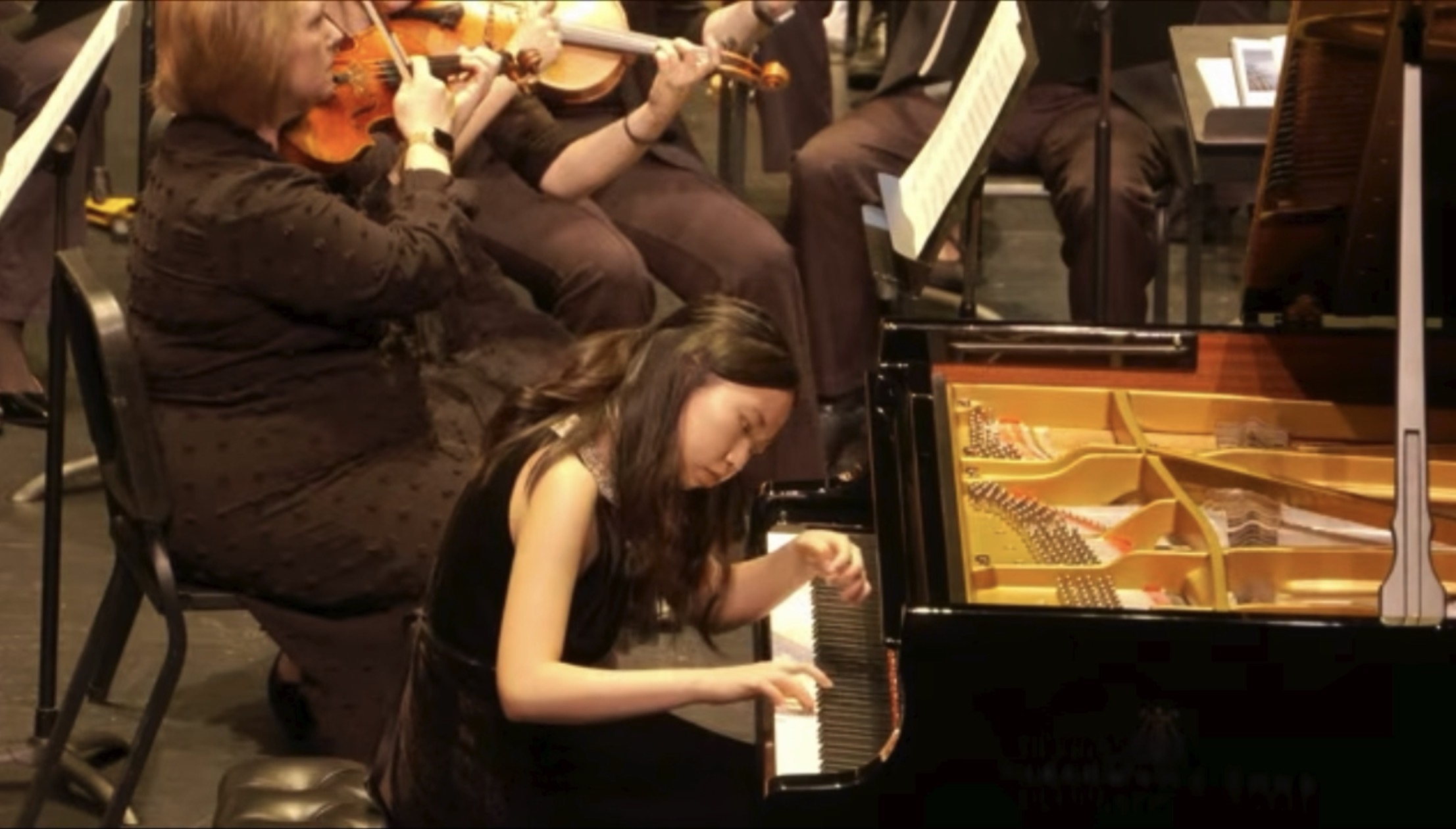
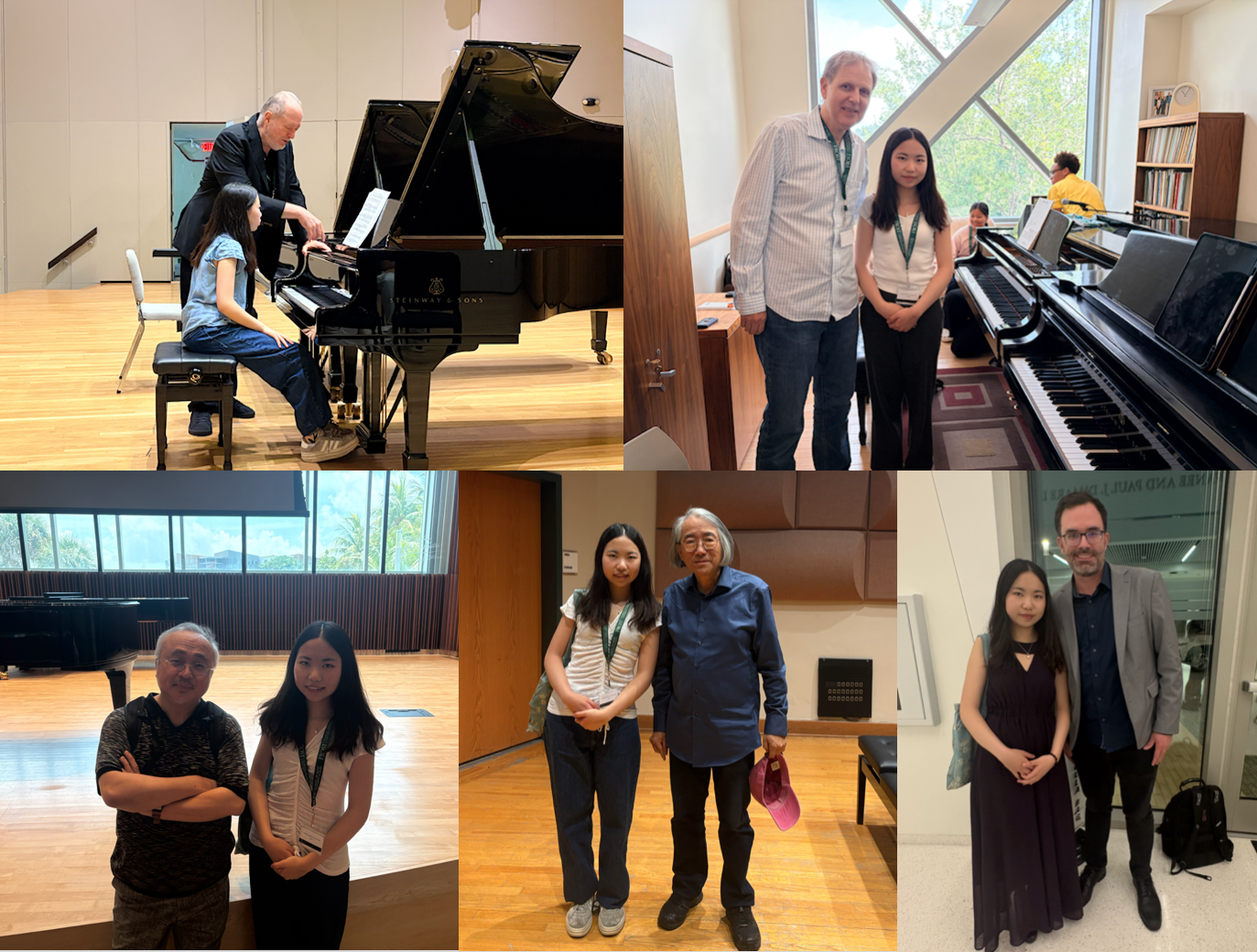
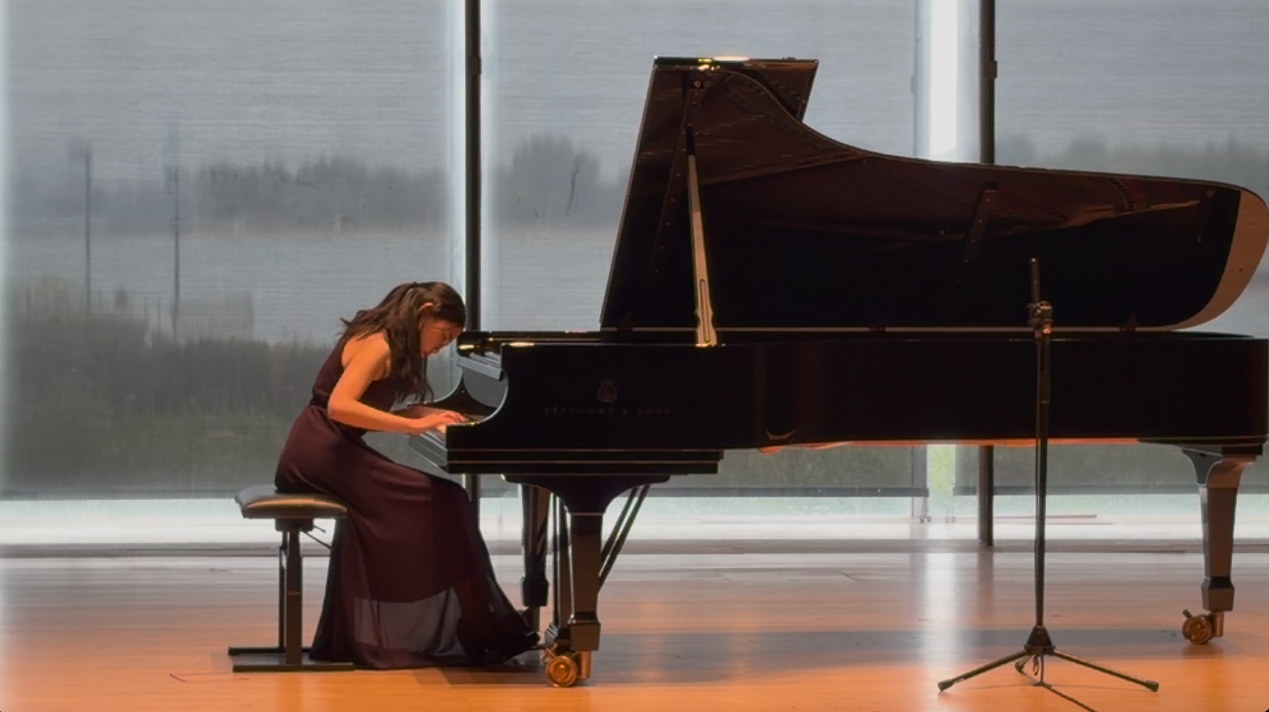
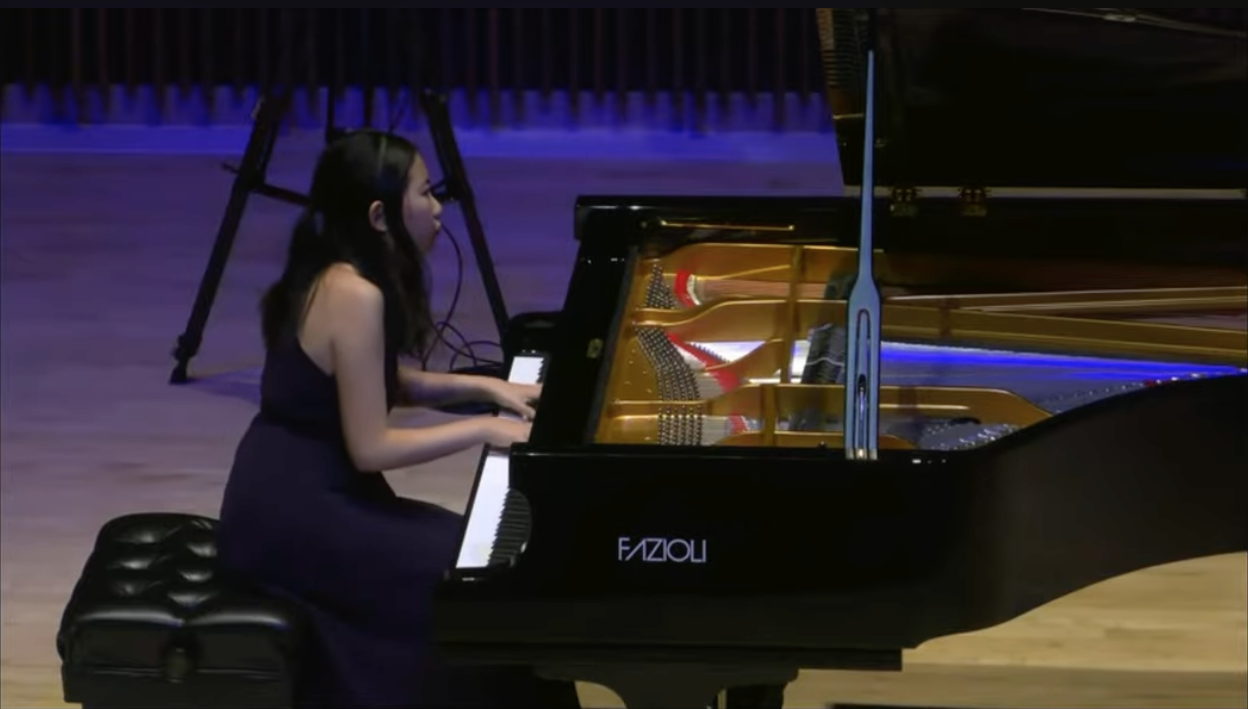
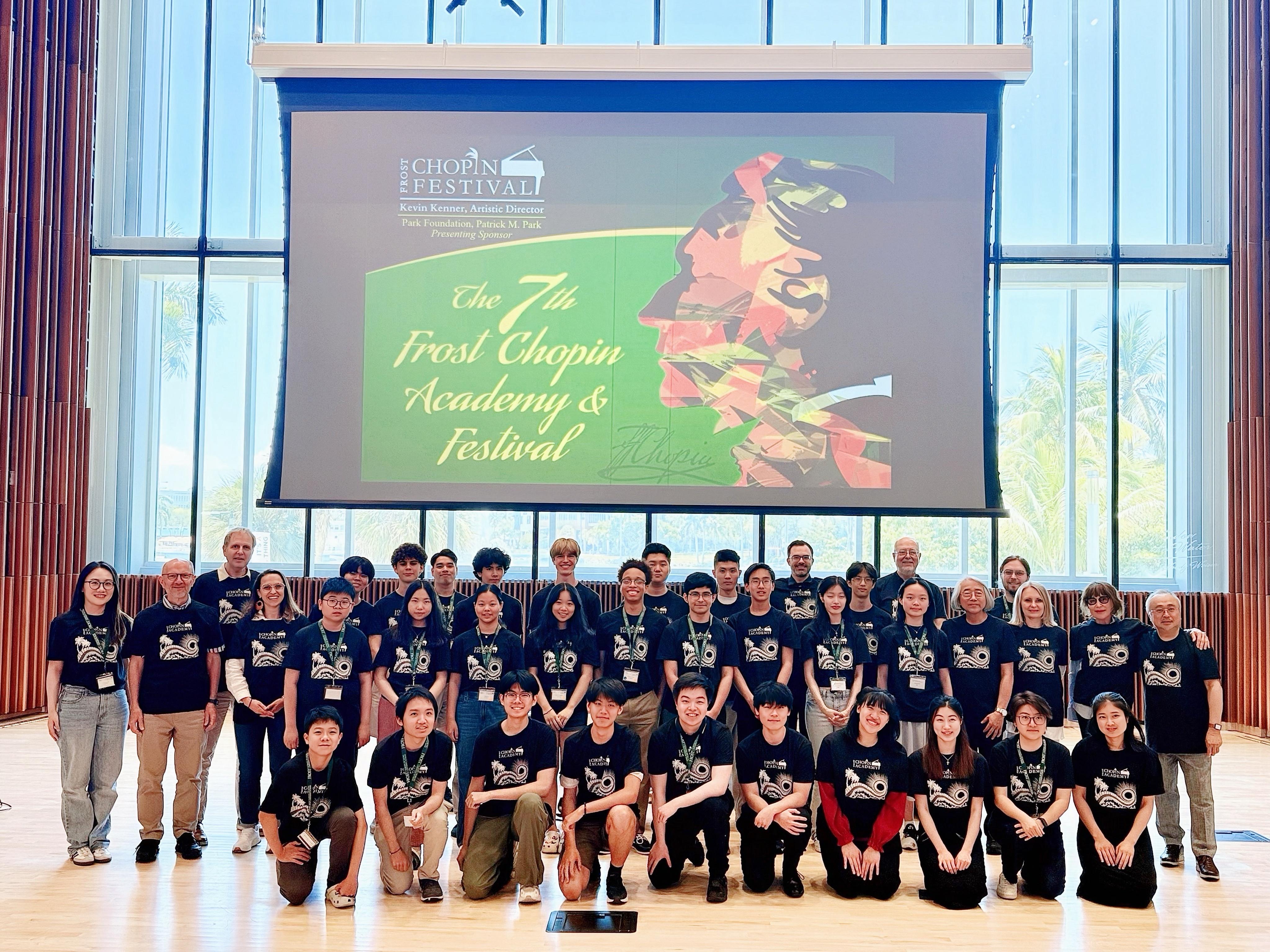
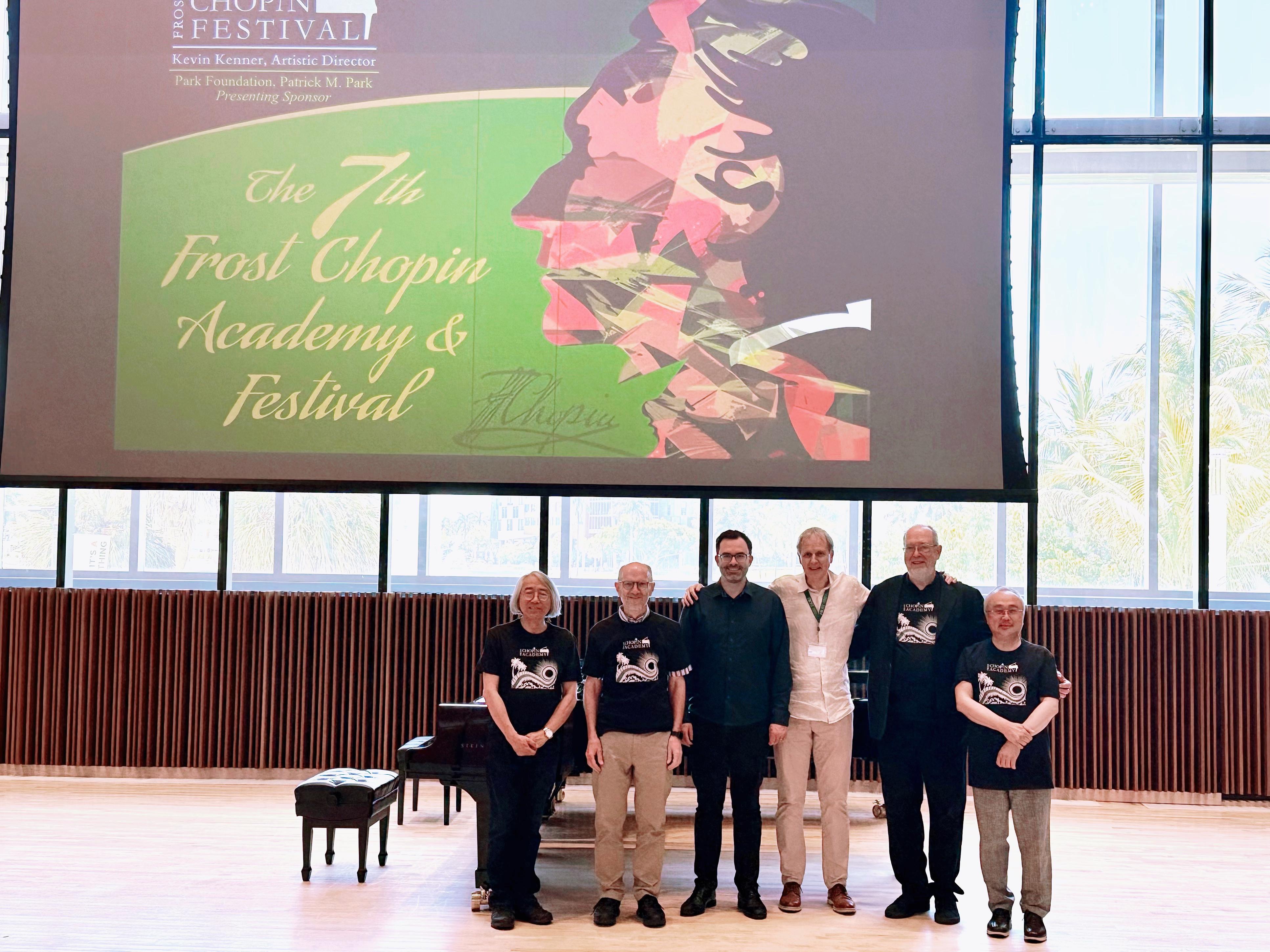
Meining Wu, 16, is a Junior and Conservatory Honors Fellow at Valley Christian High School studying piano under Hans Boepple. A two time US Chopin Foundation Scholar and recent inductee into the prestigious 2026 MTAC Young Artist Guild, California's highest high school music honor, she made her orchestral debut with the Fort Worth Symphony at age 13 and has since performed with the Central Texas Philharmonic and Golden State Youth Orchestra, and captured accolades at numerous prestigious events, including Gina Bachauer, Kaufman International, Ross McKee, Henry and Carol Zeiter, Bay Philharmonic, MTAC, CAPMT, and San Francisco International piano competitions. Meining's rigorous training includes selections for elite music festivals with merit scholarships such as Aspen, Frost Chopin Academy, Tanglewood (BUTI), PianoTexas, Juilliard Summer Piano, TSIPF, SEPF, and Vivace, as well as masterclasses with world class pianists like Dang Thai Son and Jean Efflam Bavouzet.

Beyond the concert stage, Meining's passion lies at the intersection of piano pedagogy, music cognition, and youth development. Recognizing the exclusionary nature of traditional music instruction, she launched the Equal Keys for All initiative after her eye-opening experiences teaching neurodiverse students and volunteering in local Title 1 schools.

The organization's core mission is to bridge the educational gap in the arts by providing accessible, adaptive piano instruction to under-resourced and special needs youth. By replacing rigid posture and rote memorization with kinetic engagement and radical empathy, Equal Keys for All empowers students to build cognitive confidence, experience emotional liberation, and find their own unique voice at the keyboard.

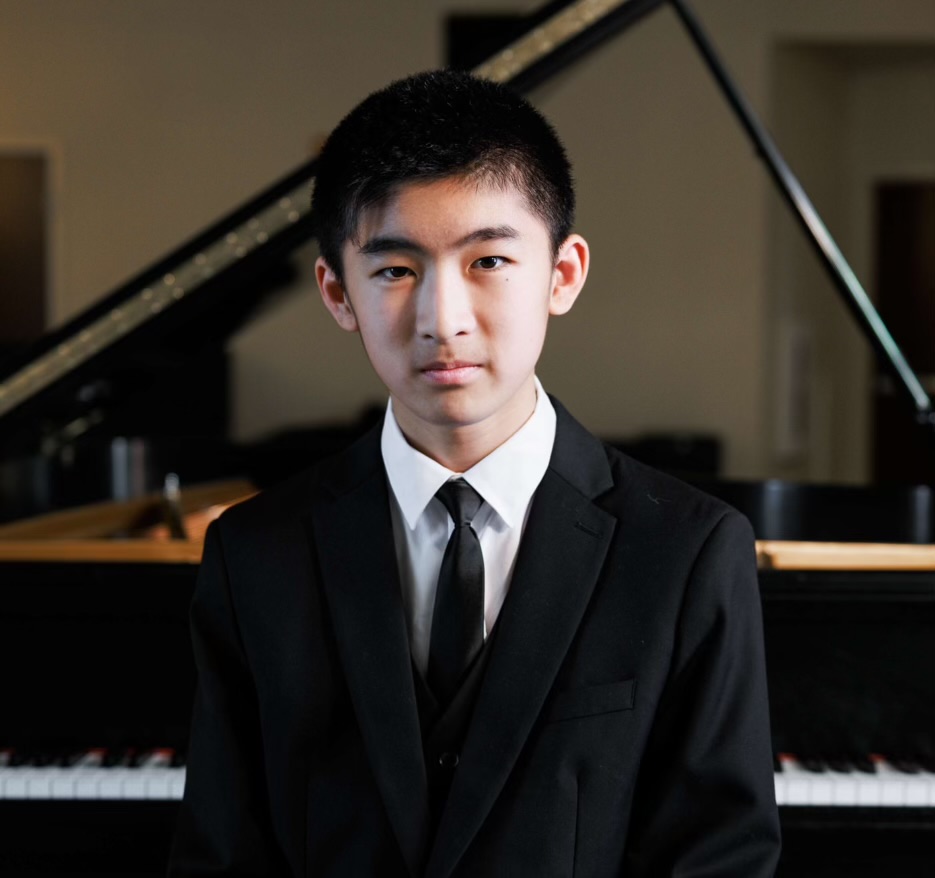
Ethan Li

Ethan Li

Teaching Fellow
  • Chopin Foundation Scholarship Recipient (2025-2026)
  • MTAC Concerto Competition 1st Alternate (2025)
  • USOMC Complete Concerto Competition 1st Prize (2025)
  • Florida Keys 1st Prize (2025)
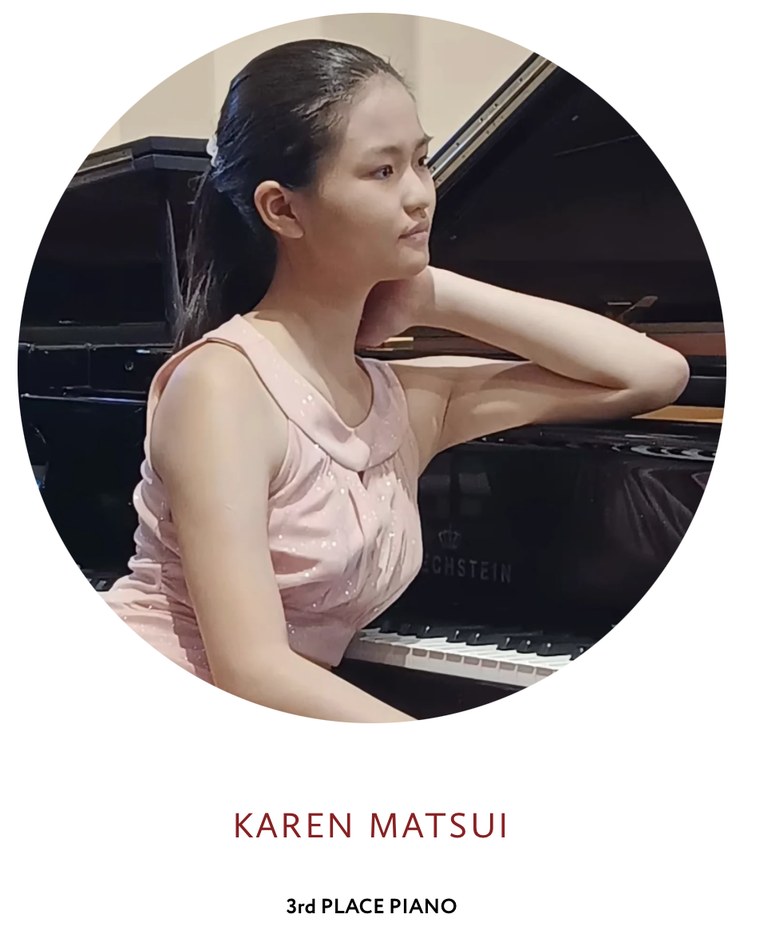
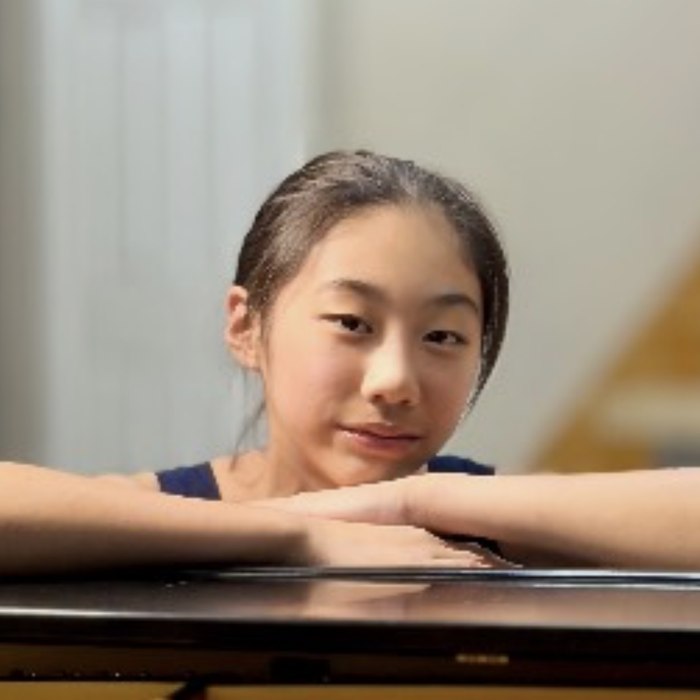
Karen Matsui

Karen Matsui

Teaching Fellow
  • Pittsburg International Competition Top Prize (2025)
  • Flagstaff Piano Festival Competition (2025)
  • MTAC Solo Competition (2024, 2025)
  • US New Star International Competition (2024)

Advisor

Rose Chen

Rose Chen

Advisor

San Francisco Conservatory of Music • Conservatory of the Arts at Valley Christian Schools

Rose Chen is a highly accomplished pianist and dedicated educator, currently on the faculty of the San Francisco Conservatory of Music's Pre-College Division, where she teaches piano and chamber music. She also serves on the piano faculty at the Conservatory of the Arts at Valley Christian Schools in San Jose.

Ms. Chen earned her Master of Music degree (2002) and Graduate Performance Diploma (2004) in piano performance from the Peabody Conservatory of Johns Hopkins University, studying with the renowned Boris Slutsky. She was awarded a full scholarship and teaching assistantship in recognition of her exceptional artistry and academic excellence.

Equally passionate about performing and teaching, Ms. Chen maintains a vibrant private studio in West San Jose. Her students have achieved top prizes in international competitions, been selected for the MTAC Young Artist Guild and Panel Honors, and gained admission to leading institutions including The Juilliard School, Eastman School of Music, Peabody Conservatory, Northwestern University, UCLA, and the San Francisco Conservatory of Music.

With her unwavering commitment to musical excellence and her ability to inspire, Ms. Chen nurtures not only technical mastery but also a deep and lasting love for music in every student she teaches.

Meining's Performances

Selected solo and concerto performances by our founder

Prokofiev Piano Concerto No.3 in C major op.26: I. Andante – Allegro (Central Texas Philharmonic)

Chopin Piano Concerto No. 1, Op 11 (III. Rondo – Vivace) — Fort Worth Symphony Orchestra

Carl Vine Piano Sonata No. 1, 1st movement

Bach Toccata BWV 912

Why Music Matters

Curated research and resources on the transformative power of music education

Music & Youth Development

The Cognitive Benefits of Music Education

The Cognitive Benefits of Music Education

Research on how music education strengthens neural pathways, improves memory, and enhances cognitive function in young learners.

Save The Music Foundation
How Learning Piano Can Improve Cognitive Function

How Learning Piano Can Improve Cognitive Function and Emotional Expression in Children

How piano study improves cognitive function, emotional expression, and overall brain development in children.

Faust Harrison Pianos
The Role of Music in Brain Development

The Role of Music in Brain Development

How early music training shapes brain architecture, enhancing auditory processing, language development, and executive function throughout life.

University of Georgia
From Taylor Swift to Alicia Keys

From Taylor Swift to Alicia Keys: How Learning Piano Boosts Kids' Brains and Mental Health

Research on how structured piano education builds discipline, self-confidence, and social-emotional skills in youth.

Todey Psychology

How music develops our brains at every age | Assal Habibi | TEDxManhattanBeach

Music Therapy & Neurodiversity

Music Therapy Research & Resources

Music Therapy Research & Resources

Evidence-based research supporting the use of music therapy for emotional regulation, communication, and motor development in diverse populations.

American Music Therapy Association
Music Training Benefits Children with ADHD

Music Training Benefits Children with ADHD

How rhythmic musical training can improve attention, impulse control, and working memory in children with ADHD and other developmental challenges.

European Medical Journal
Music Therapy and Autism Spectrum Disorder

Music Therapy and Autism Spectrum Disorder (ASD)

Evidence-based fact sheets on how music-based interventions support communication, social interaction, and sensory processing for individuals on the autism spectrum.

American Music Therapy Association
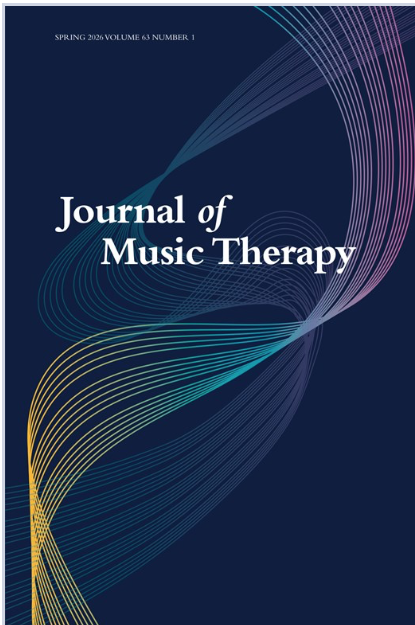
Journal of Music Therapy

Journal of Music Therapy

Peer-reviewed research on the clinical applications of music therapy across neurodiverse and special-needs populations.

Oxford Academic / Journal of Music Therapy

Local to San Jose & The South Bay

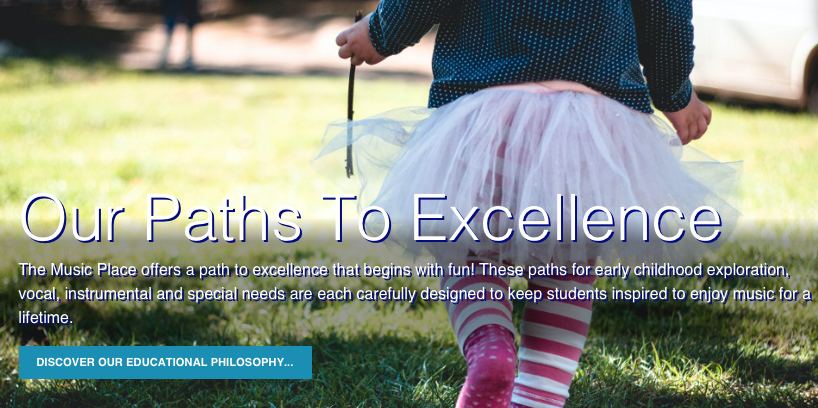
The Music Place

The Music Place (San Jose)

One of the most established local organizations offering both traditional music education and a dedicated special needs program. They employ Board-Certified Music Therapists and Adaptive Music Teachers—a great case study for designing accessible curriculum.

Rainbow Music Therapy

Rainbow Music Therapy (Los Altos)

A small team of therapists working with children and teens of all abilities. They focus on a strength-based approach, using music as a tool to address developmental goals.

Wider Bay Area Initiatives

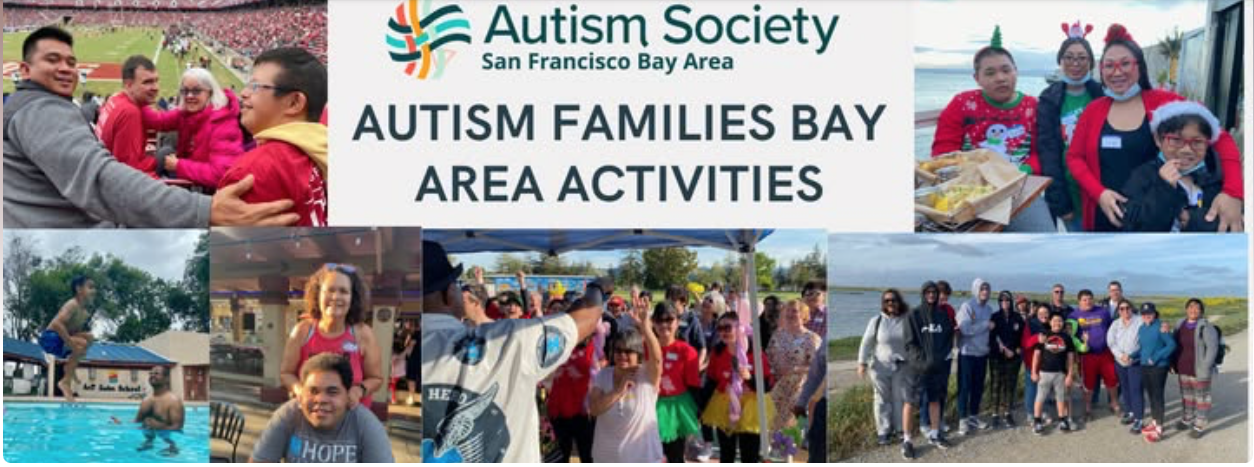
Autism Society SFBA

Autism Society San Francisco Bay Area (SFASA)

A grassroots, volunteer-run nonprofit serving as a central hub for the region's neurodiverse community. SFASA connects over 20,000 local families with resources, education, and networking—frequently partnering with organizations to promote sensory-friendly concerts and inclusive community events.

Brain and Body Autism Center

Brain and Body Autism Center

Uses a holistic early intervention model that integrates piano instructors and music specialists alongside occupational and speech therapists. Their approach is rooted in how sensory integration and motor-planning affect learning.

Creative Vibes Music Therapy

Creative Vibes Music Therapy (SF Bay Area)

A dynamic team facilitating music therapy with a strong focus on neuroscience, aiming to meet clients' needs creatively while supporting holistic growth and well-being in special education settings.

Competitions & Festivals

Resources for students and parents exploring performance opportunities at every level

MTAC Certificate of Merit

MTAC Certificate of Merit (CM) Program

California's premier music evaluation program. Students are assessed on repertoire, technique, ear training, and music theory at progressive levels, providing a structured path for musical growth.

Local Bay Area Competitions

US Open Music Competition (USOMC)

A prestigious national competition with solo and concerto divisions for young pianists of all levels.

US International Music Competition (USIMC)

An international competition based in the Bay Area offering divisions in solo, concerto, and chamber music for young musicians.

KAMSA Music Competition

The Korean American Musical Society of America hosts an annual competition supporting young instrumentalists in the Bay Area.

Henry and Carol Zeiter Piano Competition

A regional piano competition hosted by the University of the Pacific Conservatory of Music in Stockton, CA.

Marian Filice Piano Competition

A local San Jose competition honoring the legacy of pianist Marian Filice, open to young pianists in the greater Bay Area.

Marilyn Mindell Piano Competition

A Bay Area competition for young pianists providing performance opportunities and recognition for emerging talent.

State & National Competitions

MTAC Solo & Concerto Competition

The Music Teachers' Association of California's flagship competition for advanced student pianists at branch, state, and convention levels.

CAMPT Honors, Contemporary & Concerto

MTAC's California Association of Music Performance Teachers competitions recognizing excellence in honors, contemporary repertoire, and concerto performance.

MTNA National Competitions

The Music Teachers National Association's prestigious competition series progressing from state to national levels for young musicians across America.

National Chopin Piano Competition

A national competition celebrating the music of Chopin, selecting America's most promising young Chopin interpreters.

National Chopin Foundation Scholarship

Annual scholarships supporting the most talented young American pianists with a focus on the music of Chopin.
Ross McKee Foundation Competition

A nationally recognized competition fostering excellence in young pianists through performance opportunities and awards.

International Competitions

Gina Bachauer International Piano Competition

One of the world's most prestigious piano competitions, with junior and young artist divisions for emerging talent.

ENKOR International e-Competition

An innovative online international competition making world-class adjudication accessible to pianists worldwide.

San Francisco International Piano Competition

A renowned competition that attracts top young pianists and offers performance opportunities with professional orchestras.

Kaufman Music Center International Youth Piano Competition

A New York-based international competition for young pianists offering performance at Merkin Concert Hall and career development support.

Hilton Head International Piano Competition

A distinguished international competition for young pianists held annually in Hilton Head Island, South Carolina.

Cleveland International Piano Competition

One of the premier international piano competitions in the United States, launching careers of exceptional young pianists.

Young Cliburn International Piano Competition

The junior division of the legendary Van Cliburn competition, showcasing the world's most exceptional young pianists ages 13–17.

Festivals & Summer Programs

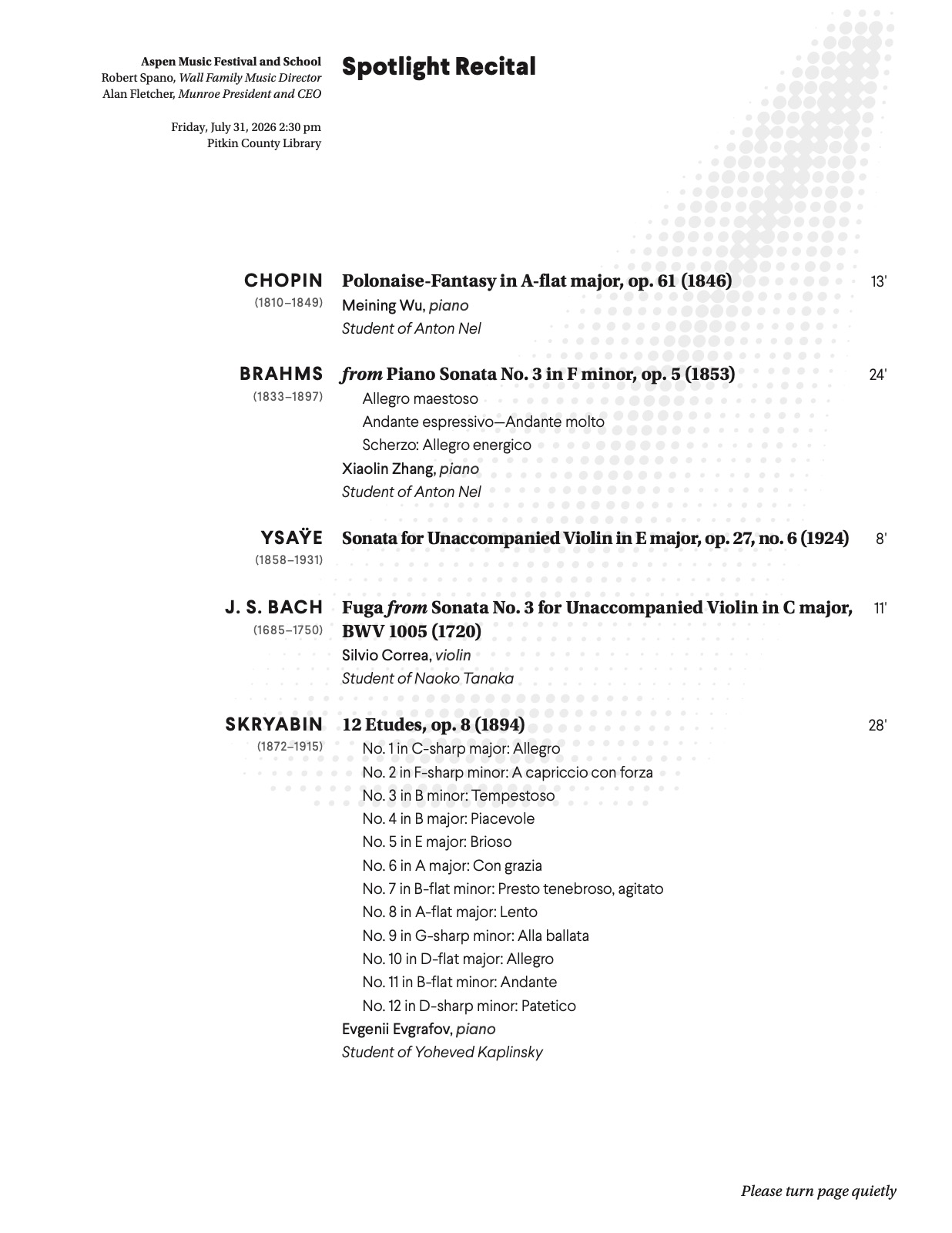
Aspen Music Festival and School

A world-renowned summer music festival offering intensive study, masterclasses, and performance opportunities for advanced young musicians.

Boston University Tanglewood Institute (BUTI)

An elite summer program for pre-college musicians in partnership with the Boston Symphony Orchestra at the historic Tanglewood campus.

Frost Chopin Academy

An immersive academy at the University of Miami's Frost School of Music focused on the interpretation and performance of Chopin's works.

PianoTexas International Festival & Academy

An intensive summer festival at TCU bringing together gifted young pianists with world-class faculty for concerts, masterclasses, and chamber music.

Chautauqua Piano Program

A summer piano program at the historic Chautauqua Institution featuring lessons, recitals, and interdisciplinary arts experiences.

Lancaster International Piano Festival

An international piano festival in Lancaster, PA offering masterclasses, recitals, and competitions for young pianists.

Texas State International Piano Festival

A summer festival at Texas State University featuring masterclasses, competitions, and performances for pre-college and college pianists.

Southeastern Piano Festival

An annual festival bringing together talented young pianists for masterclasses, recitals, and competitions with internationally acclaimed faculty.

Vivace International Music Festival

An international music festival offering performance opportunities, masterclasses, and cross-cultural musical experiences for young musicians.

Juilliard Summer Piano Program

A prestigious summer program at The Juilliard School offering intensive piano study with world-class faculty in New York City.

Blog

Thoughts on music, neurodiversity, and building an inclusive community

May 27, 2026 Meining Wu 3 min read

The Living Breath of the Ensemble: Lessons in Radical Empathy from the Concert Hall

There is an indescribable, overwhelming feeling that occurs when you stand before a full symphony orchestra as a solo pianist. The piano can often feel like a solitary, isolating instrument, but this spring, our musical journeys were defined entirely by collaboration—a humbling lesson in human connection that mirrors exactly what we practice with our students every Sunday...

Read More
April 22, 2026 Meining Wu 3 min read

Where Chords Meet Cognition: Embracing the Future of Neurodiversity Advocacy

This month brought a milestone that feels like a beautiful validation of everything we are fighting for at Equal Keys for All. On April 17, I received my official acceptance into the highly selective Stanford Neurodiversity Project – REACH (SNP-REACH) program for this upcoming summer—the perfect intersection of my two deepest passions: classical piano performance and clinical psychology...

Read More
April 7, 2026 Meining Wu 3 min read

A Milestone for Music and Mentorship: What the Young Artist Guild Means for EKFA

On April 5, I received news that represented the culmination of years of quiet, relentless dedication: I was officially inducted into the 2026 Music Teachers’ Association of California (MTAC) Young Artist Guild. But if I am being completely honest, the absolute best part of this amazing achievement is what it means for our community at Equal Keys for All...

Read More
March 31, 2026 Meining Wu 2 min read

The Rhythm of Resilience: What a Month of High-Stakes Stages Taught Us About the Practice Bench

March has been a beautiful, relentless whirlwind that tested every ounce of our artistic stamina. But if you look past the glittering headlines, the trophies, and the concert gown, the real story of March didn’t happen under the applause—it happened in the quiet, frustrating, and unglamorous hours on the practice bench...

Read More
February 28, 2026 Meining Wu 2 min read

Tuning the Room: Why True Art Lives in the Heart of the Community

When we spend thousands of hours tucked away inside isolated practice rooms, it is easy to default to a narrow definition of success. But classical music was never meant to be a cold museum piece locked away for a select few—its real power is revealed when we take it to the spaces that need it most...

Read More
January 23, 2026 Meining Wu 3 min read

From Piano Keys to AP Tests: Why Music Makes School Easier

Being a junior in high school is honestly a lot to handle. People always ask me how I have time to practice piano with all my homework. But honestly, playing the piano is the exact reason I can actually get through my homework...

Read More
December 20, 2025 Meining Wu 3 min read

Painting with Sound: How Art and Music Connect

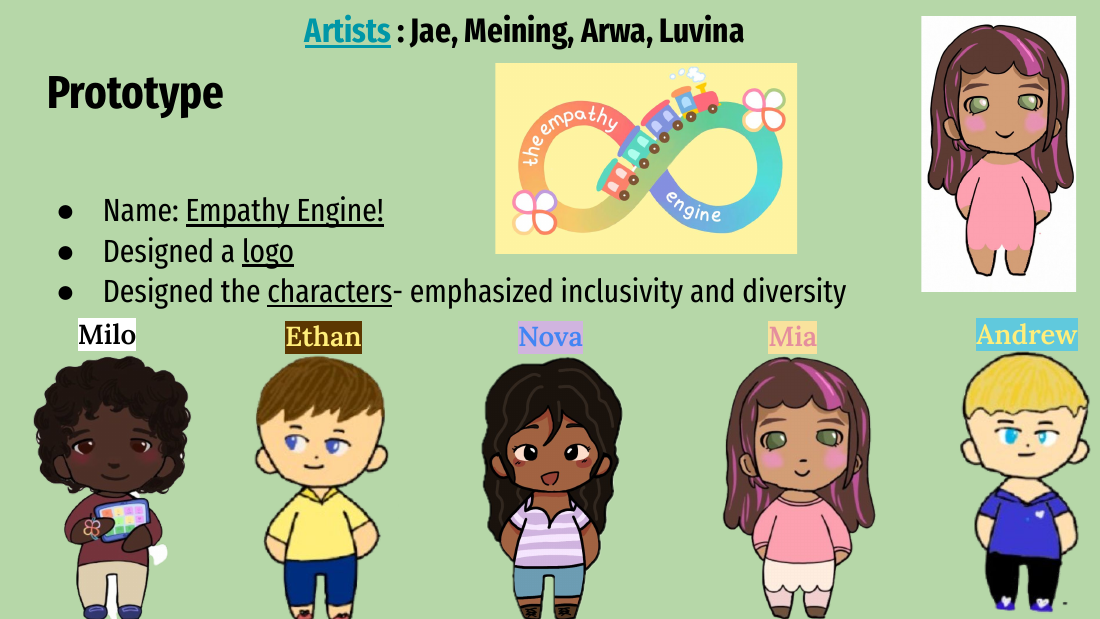
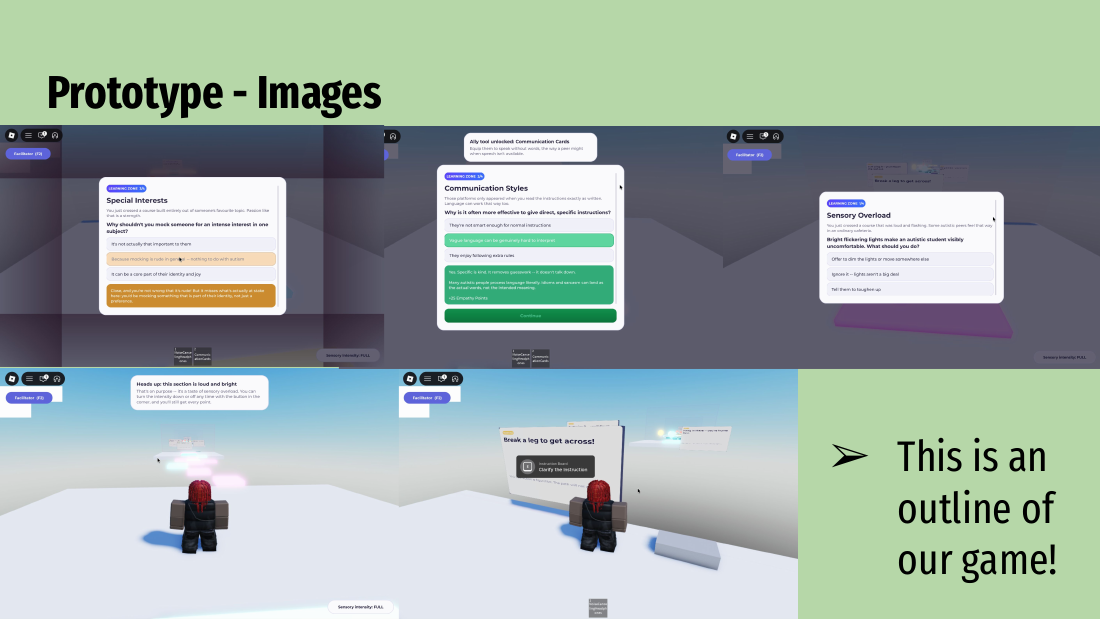
If you know me outside of Equal Keys for All, you probably know that my two biggest passions are playing the piano and making visual art. Sometimes people think they are totally separate worlds. But honestly to me, they feel like the exact same language...

Read More
October 11, 2025 Meining Wu 3 min read

The Magic of Making Mistakes: Why Wrong Notes are Welcome Here

If you have ever taken a music lesson, you probably know that sinking feeling when you hit the wrong key. The room gets quiet and you instantly feel like you messed everything up. But at Equal Keys for All, we actually celebrate the wrong notes...

Read More
September 15, 2025 Meining Wu 3 min read

The Brain on Keys: Growing Minds and Building Community

When one of our students sits down at the piano with a mentor, it honestly just looks like they are learning to press the right keys. But there is actually so much more going on beneath the surface...

Read More
Back to Blog

The Living Breath of the Ensemble: Lessons in Radical Empathy from the Concert Hall

There is an indescribable, overwhelming feeling that occurs when you stand before a full symphony orchestra as a solo pianist. The piano can often feel like a solitary, isolating instrument, but this spring, our musical journeys were defined entirely by collaboration.

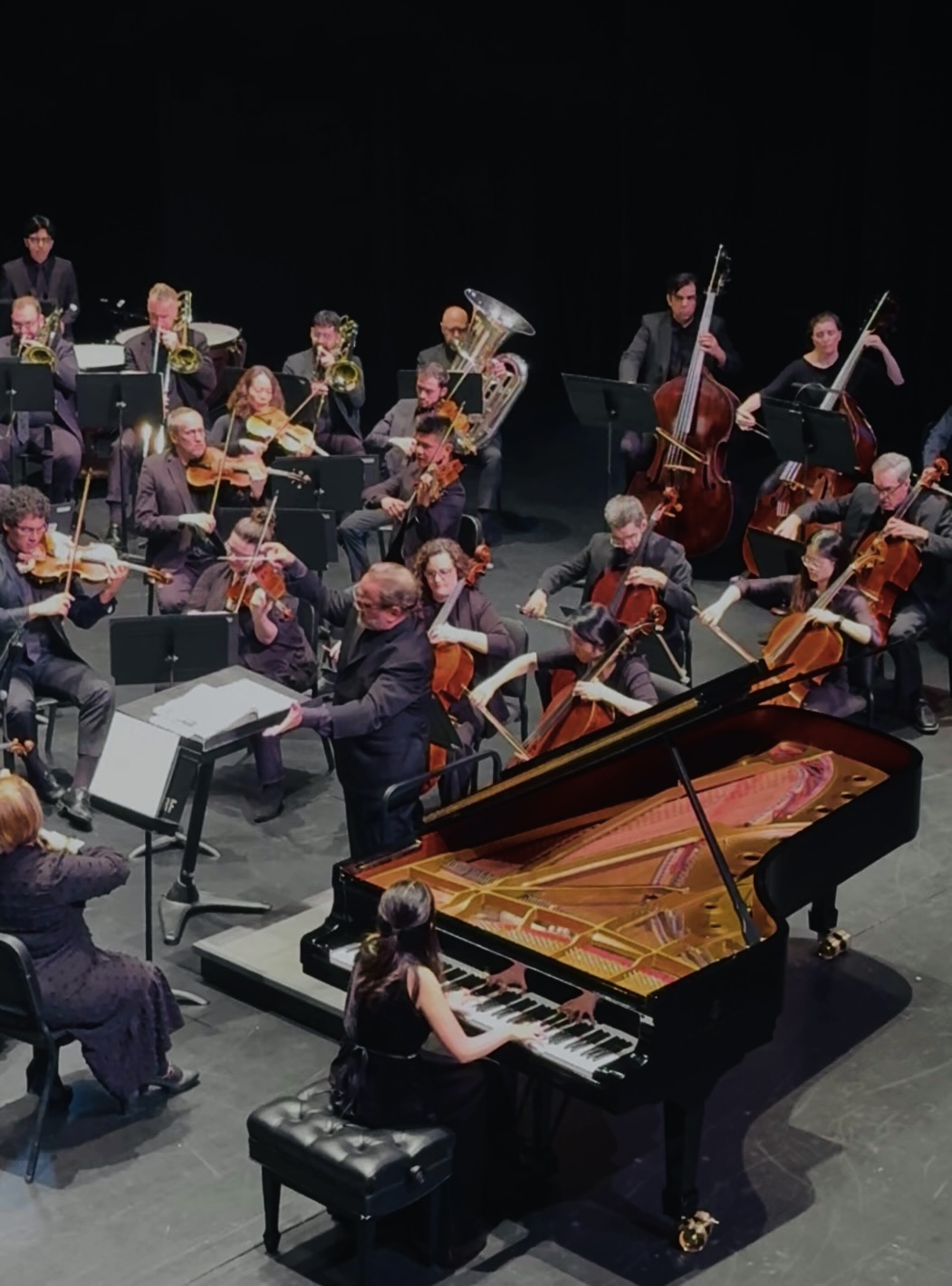
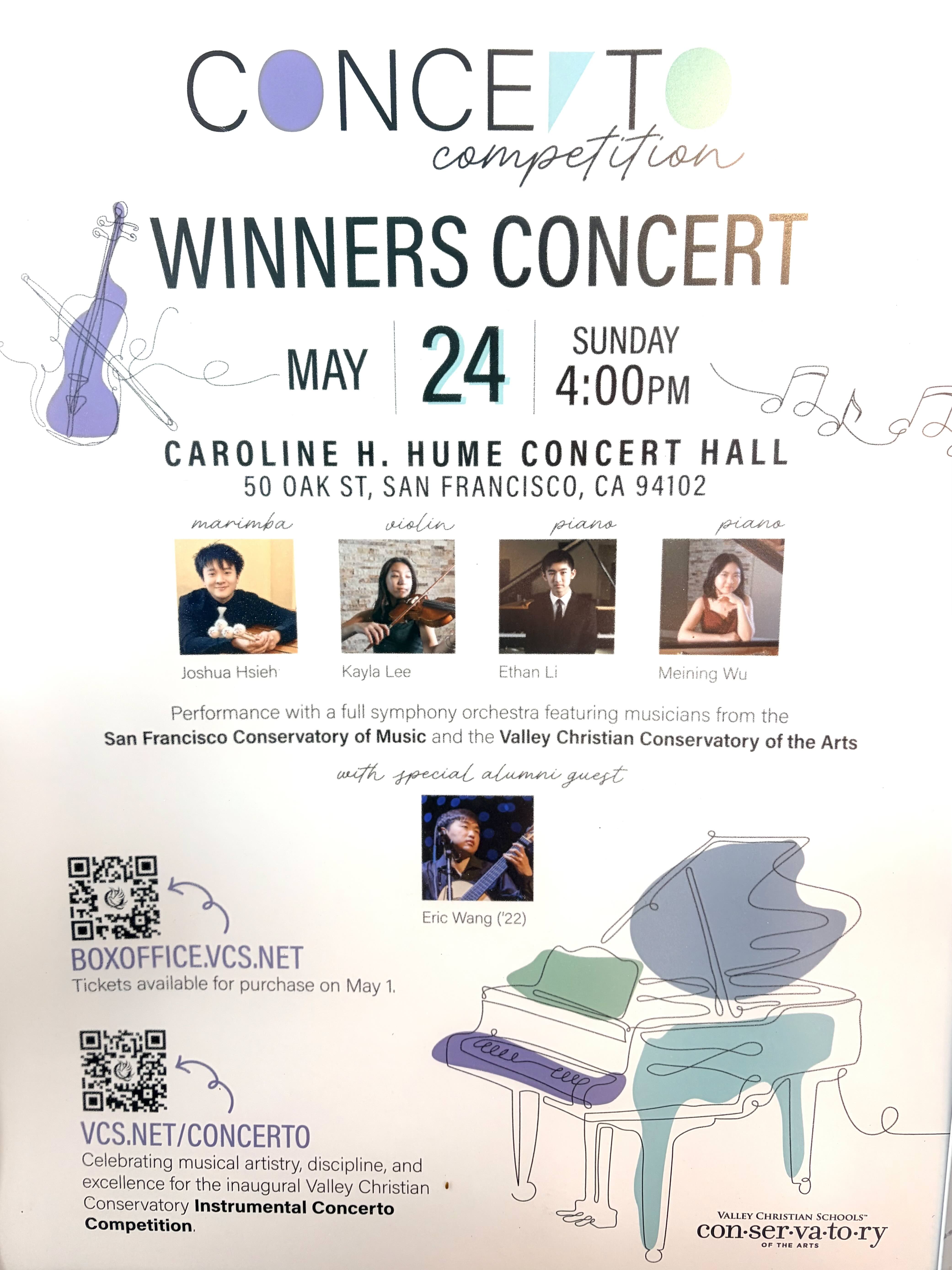
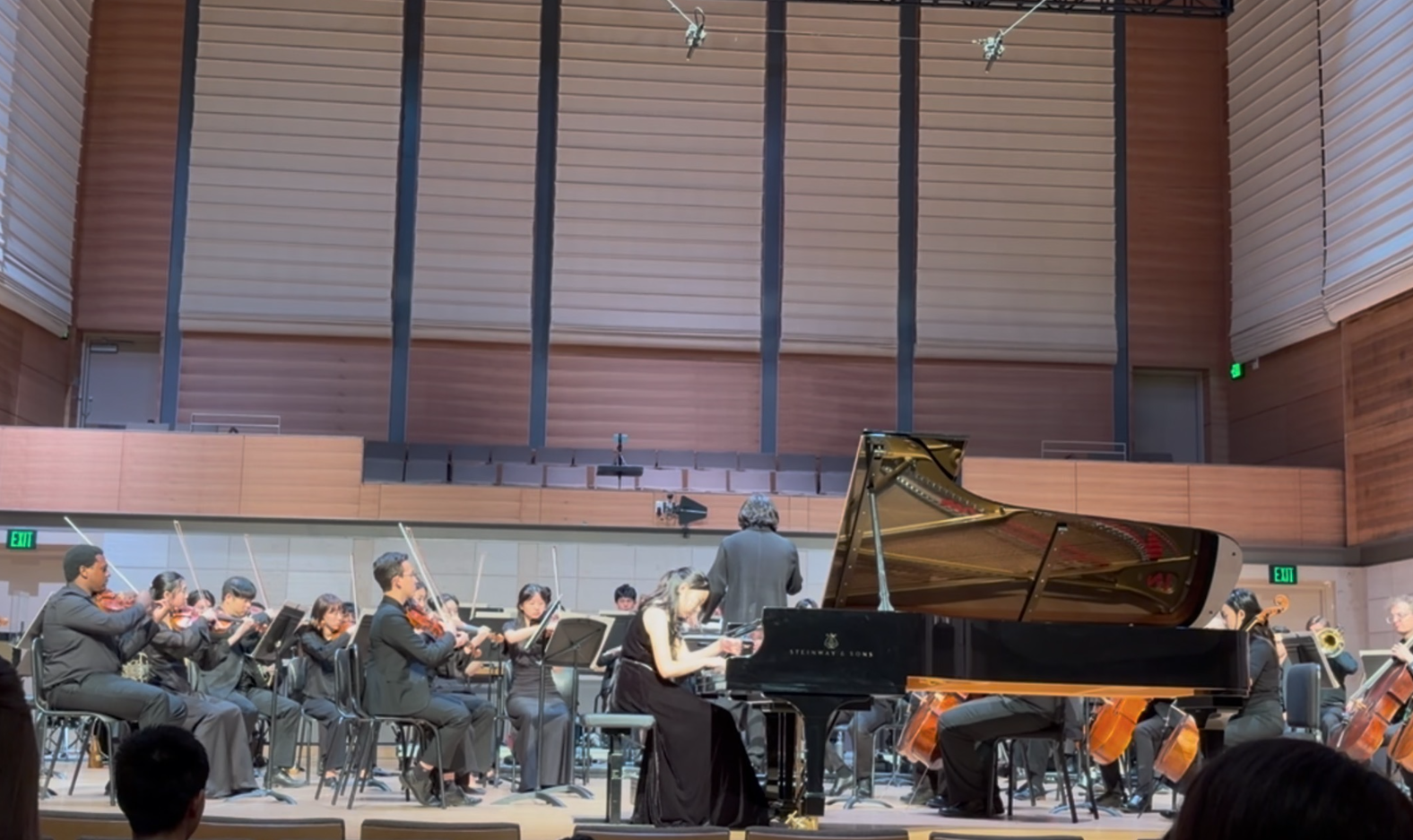
This season brought me the profound joy of performing the explosive, passionate third movement of Rachmaninoff’s Piano Concerto No. 2 with the incredible Peninsula Symphony during their Family Concert. The momentum culminated beautifully on May 24 at the San Francisco Conservatory of Music’s stunning Caroline H. Hume Concert Hall. There, for the Valley Christian Conservatory Concerto Competition Winners Concert, our teaching fellow Ethan Li and I shared the stage under the brilliant direction of conductor Chih-Yao Chang. Ethan brought the sweeping, introspective first movement of the Rachmaninoff concerto to life, and I followed with the dynamic third movement.

A concerto is a massive, humbling lesson in human connection. You are not an isolated voice; you are part of a giant, breathing ecosystem. You have to listen with radical intensity—not just to the conductor’s baton, but to the swell of the strings, the breathing of the woodwinds, and the precise timing of the brass. You must bend your artistic intent to match the collective energy of the room, communicating through subtle gestures and shared sonic space.

This is the exact same spirit of connection that drives our mission at Equal Keys for All. When we sit on the bench next to our students, we are not rigid dictators enforcing strict rules of posture or mechanics. We are ensemble partners. We practice a radical empathy that demands we tune into their unique sensory needs, their emotional pacing, and their specific energy in real-time. Whether we are matching the thunderous energy of a full symphony orchestra or playing a gentle rhythm game with a neurodiverse student, the goal is always the same: joyful, human connection.

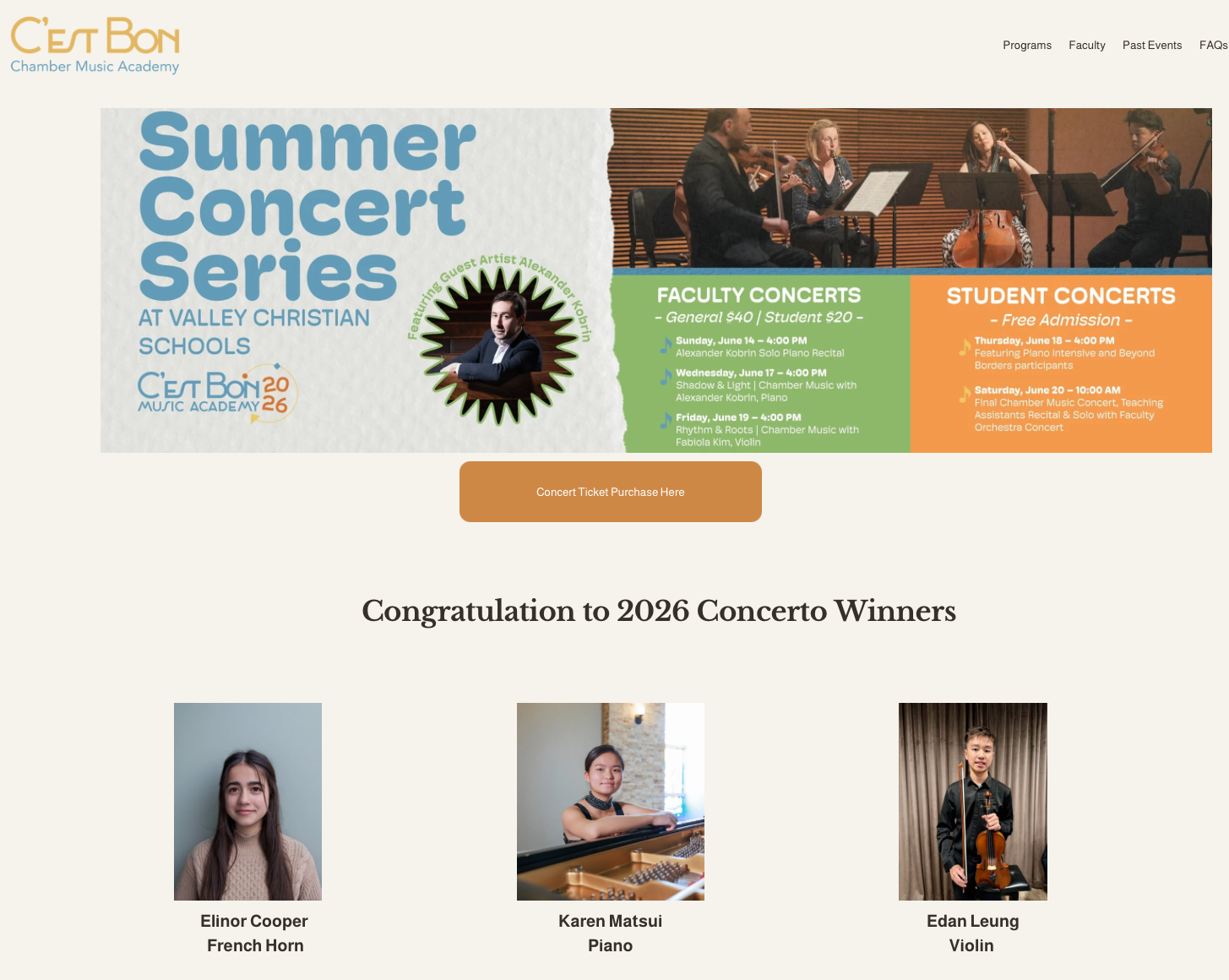
This month has been a beautiful reminder of how collaborative music really is. We are so incredibly proud of our entire team—including Karen Matsui, who just added to our collective joy by winning the C’est Bon Chamber Music Academy Concerto Competition! As we lead by example on the classical stage, we are gathering fresh inspiration, joy, and dedication to pour right back into the hearts of our amazing students every weekend.

Back to Blog

Where Chords Meet Cognition: Embracing the Future of Neurodiversity Advocacy

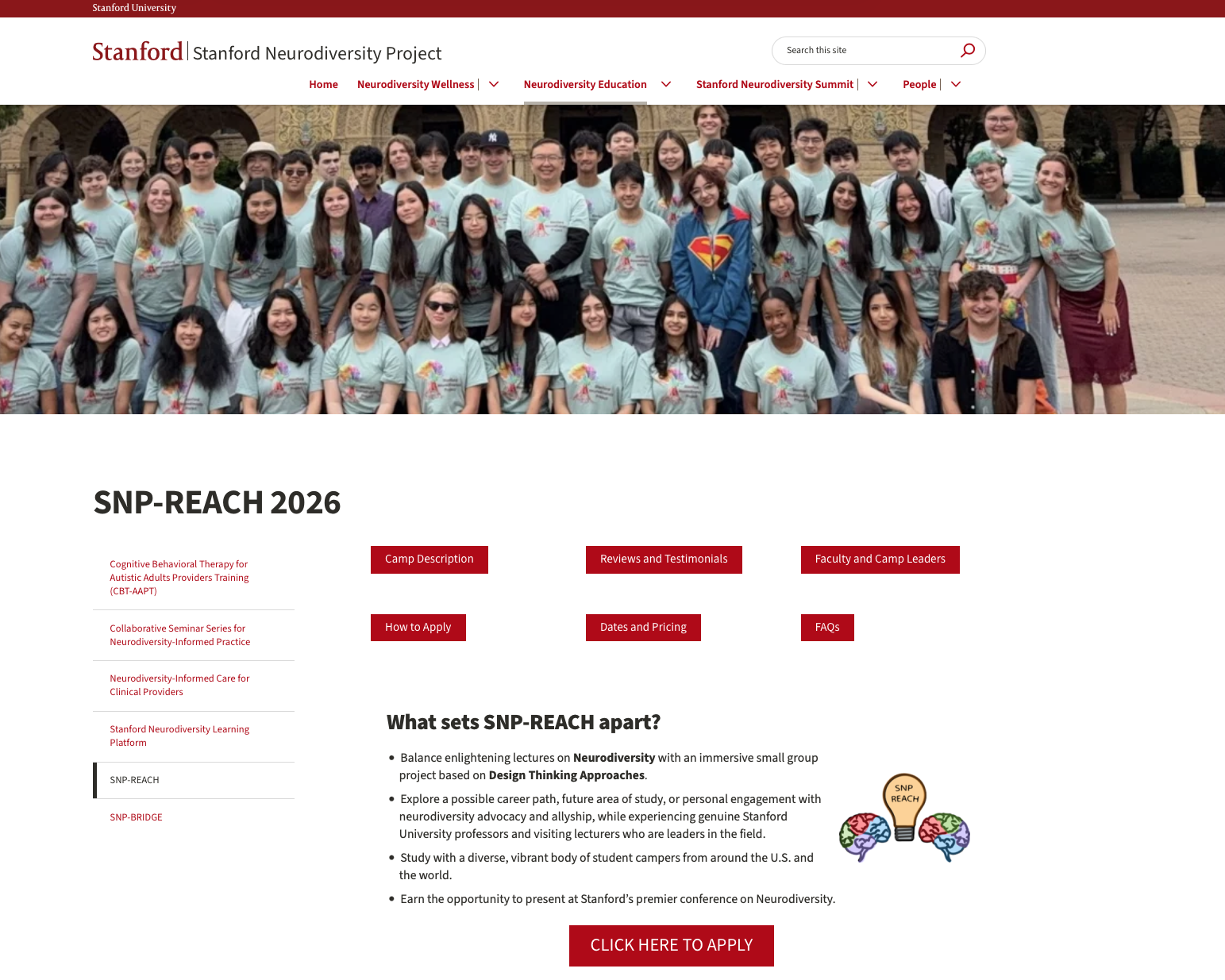
This month brought a milestone that feels like a beautiful validation of everything we are fighting for at Equal Keys for All. On April 17, I received my official acceptance into the highly selective Stanford Neurodiversity Project – REACH (SNP-REACH) program for this upcoming summer. To say I am thrilled is an understatement; this opportunity feels like the perfect intersection of my two deepest passions: classical piano performance and clinical psychology.

Advocacy is the heartbeat of our initiative. From day one, Equal Keys for All has been built on the recognition that traditional, rigid piano pedagogy leaves too many brilliant, neurodiverse minds behind. For decades, classical training has demanded strict posture, rigid discipline, and intense stillness—an environment that can easily trigger distress for neurodivergent learners. True neurodiversity advocacy means changing the environment, not the child. We believe that if sitting still on a piano bench causes a student anxiety, we simply push the bench away. By replacing rote memorization with kinetic engagement and whole-body movements, we allow our students to channel their energy directly into the instrument.

The results we witness in our Sunday sessions are not just heartwarming; they are deeply rooted in cognitive science. We know that long-term music training actually increases the volume of the corpus callosum, improving communication between the brain’s left and right hemispheres. We see this science come to life when a child with ADHD locks into a rhythm game; active music-making improves “hemispheric synchrony,” which has been clinically shown to decrease impulsivity and improve sustained attention. Furthermore, group and one-on-one music lessons encourage vital joint attention, eye contact, and turn-taking without the immense pressure of standard conversational social cues.

This summer at Stanford, I will be diving deeply into this exact intersection of neurodiversity, cognitive development, and education. My ultimate goal is to immerse myself in cutting-edge clinical research so I can bring those advanced frameworks right back to our classrooms in San Jose. By understanding the clinical neurology behind how our students process sound, we can design even stronger, custom pedagogical bridges that adapt to each student’s unique sensory needs in real-time.

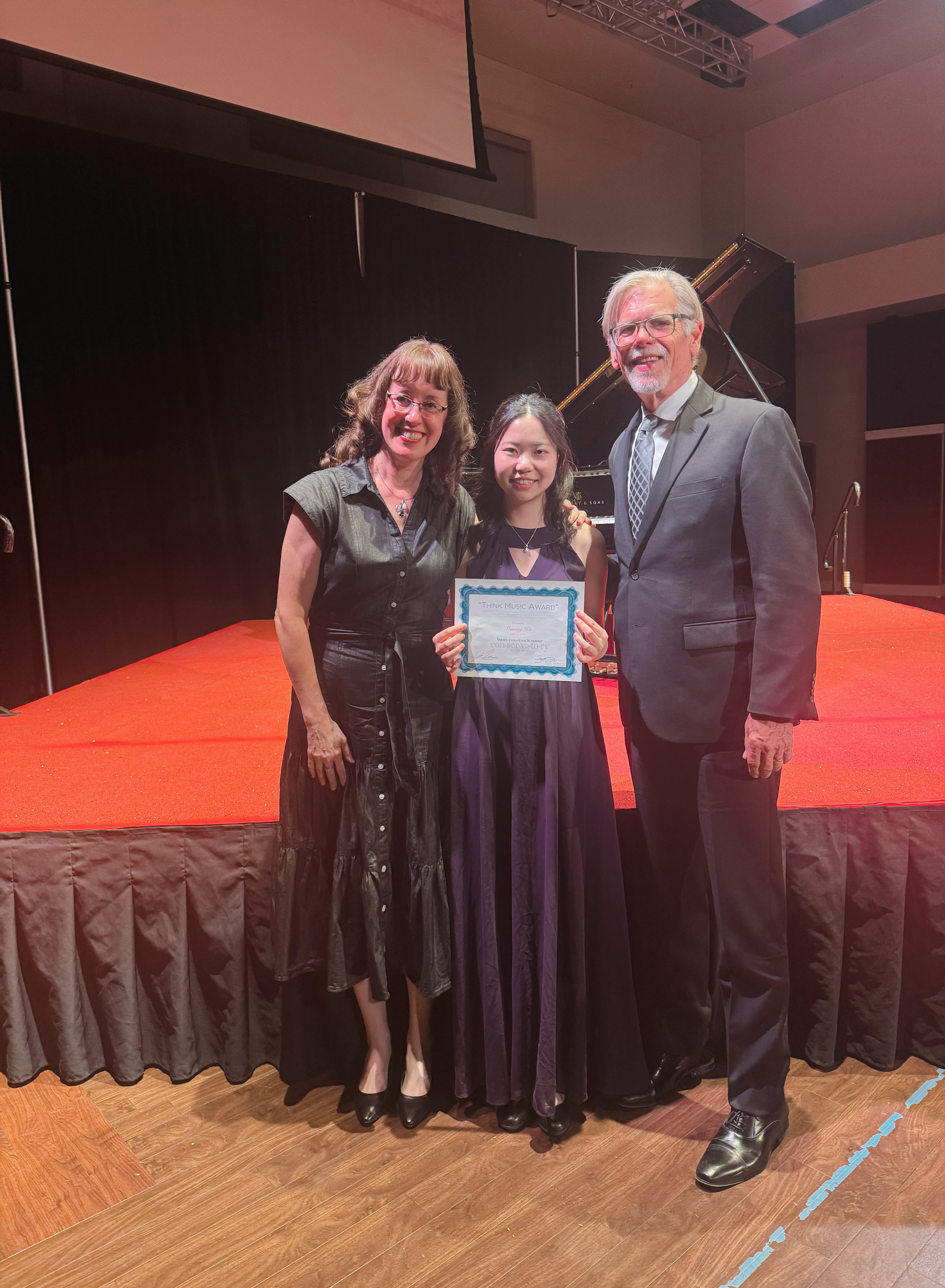
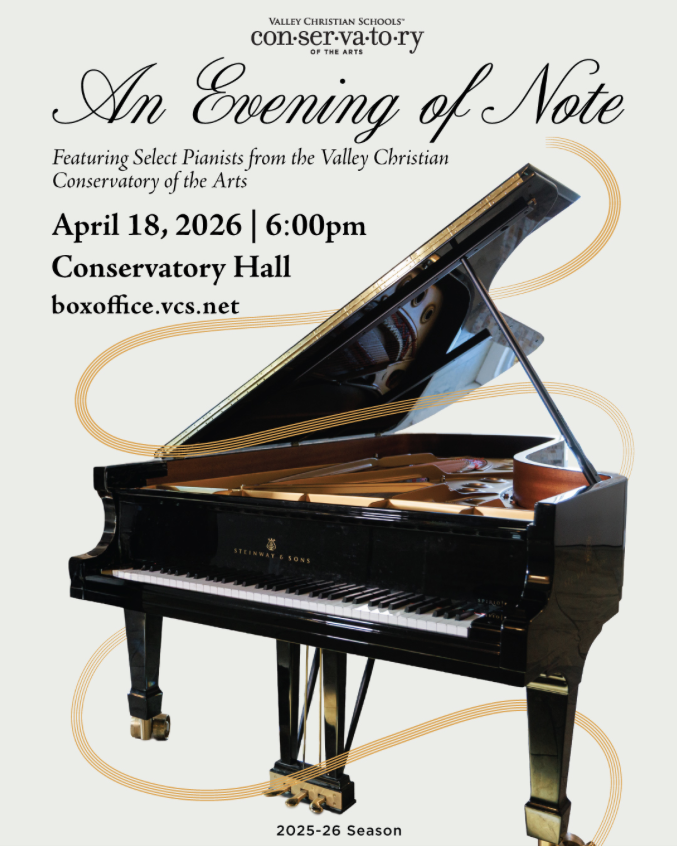
Our advocacy also extended to the concert stage this month. On April 18, our entire Equal Keys for All team proudly took the stage to perform at the Valley Christian Conservatory’s annual “An Evening of Note”. That night, I was deeply honored to receive the Think Music Award alongside my fellow instructor Karen Matsui. Every time we step onto a stage, we carry the mission of EKFA with us, proving to our community that musical excellence and radical inclusivity are not mutually exclusive. We are playing to build a future where the profound developmental benefits of music are available to every single child, regardless of their neurological makeup.

Back to Blog

A Milestone for Music and Mentorship: What the Young Artist Guild Means for EKFA

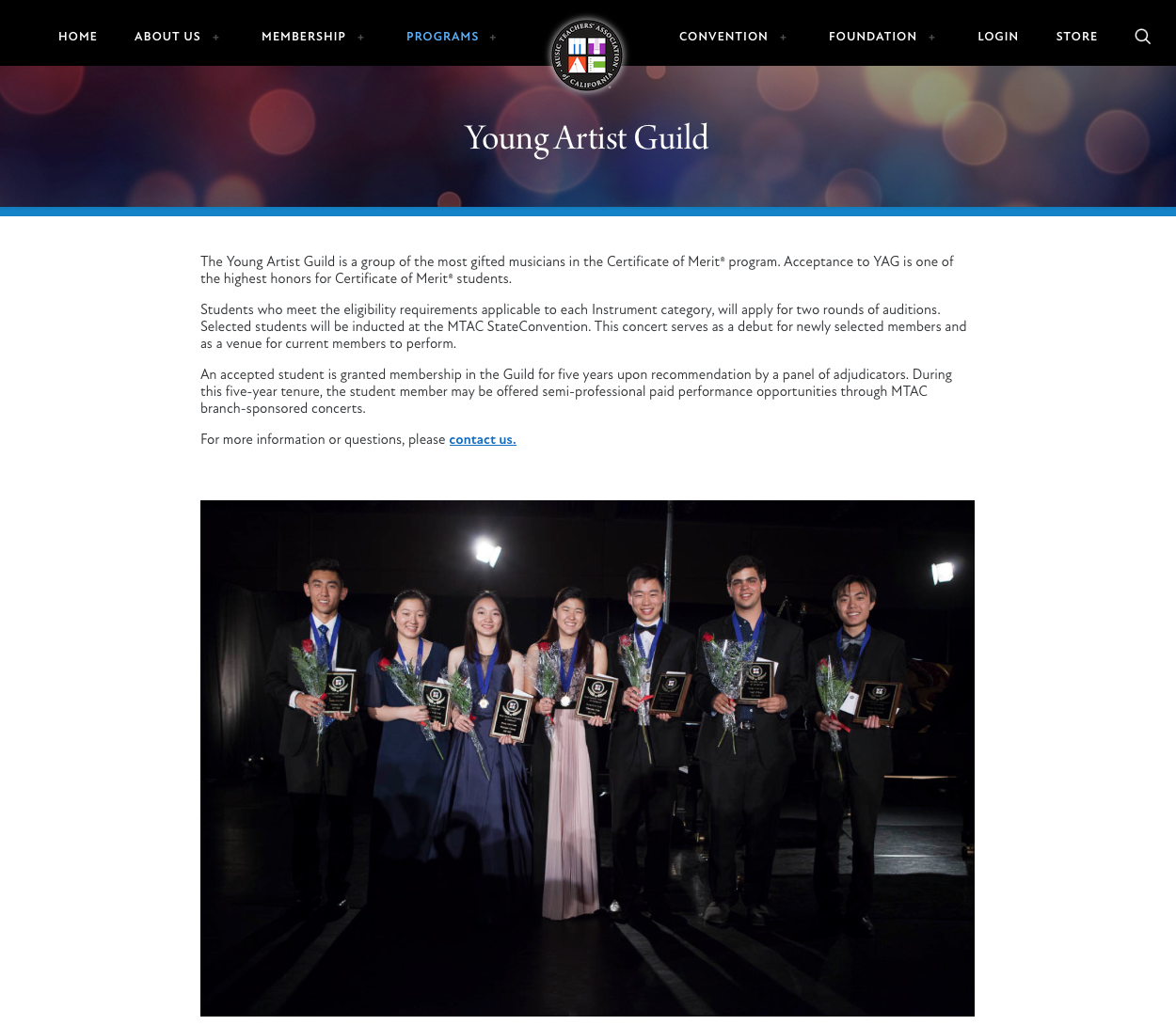
On April 5, I received news that represented the culmination of years of quiet, relentless dedication: I was officially inducted into the 2026 Music Teachers’ Association of California (MTAC) Young Artist Guild.

Getting into YAG is the absolute highest distinction that MTAC awards to high school musicians in California. The path to the Guild is incredibly rigorous and demanding; it runs through the state’s Certificate of Merit program, which is a multi-year evaluation track that tests performance, technique, theory, sight-reading, and ear-training at progressively higher levels. Admission is not a simple application; it is decided through an intense two-round panel audition—a regional panel audition followed by a state panel final—with selection made strictly by panel recommendation.

This honor initiates a prestigious five-year tenure that provides the invaluable opportunity to travel and perform in paid, full-length recitals at different branch concerts all across California. For any classical pianist, this is a vital platform to build concert stamina and refine repertoire in a professional setting.

But if I am being completely honest, the absolute best part of this amazing achievement is what it means for our community at Equal Keys for All.

The journey to YAG was not just about polishing pieces for a panel; it was a profound education in resilience, patience, and the psychology of learning. Navigating the intense pressure of the auditions taught me how to break down massive, overwhelming musical challenges into small, manageable steps. It forced me to look at my own mistakes not as failures, but as necessary data points for growth.

These are the exact tools I bring right back to our Equal Keys for All practice rooms every Sunday. When I sit down with a neurodiverse student who is feeling overwhelmed by a new rhythm or struggling to coordinate their hands, I draw directly from the persistence and patience I had to cultivate during my own audition preparations. I am so incredibly excited to take everything I learned from this rigorous audition process and share these new performance skills and practice techniques with our amazing students.

As I step into this five-year tenure, I do not just see it as a chance to perform on bigger stages. I see it as a five-year platform to advocate for inclusive arts education across the state. Every recital I give is an opportunity to prove the transformative power of music, and I cannot wait to share this journey with the entire EKFA family.

Back to Blog

The Rhythm of Resilience: What a Month of High-Stakes Stages Taught Us About the Practice Bench

March has been a beautiful, relentless whirlwind that tested every ounce of our artistic stamina. From sharing the joy of winning Regional 1st Place in the MTAC Piano Concerto and Solo categories alongside our brilliant teaching fellow Ethan Li, to being awarded 1st Place and the Best Sonata Award at the Marilyn Mindell Competition, to closing out the month as a concerto winner at the Texas State International Piano Festival (TSIPF)—it has been a season of immense growth.

But if you look past the glittering headlines, the trophies, and the concert gown, the real story of March didn’t happen under the applause. It happened in the quiet, frustrating, and unglamorous hours on the practice bench. It happened when a complex passage of Rachmaninoff refused to click, when physical fatigue crept in, and when the pressure of the upcoming stage felt heavy. This intense competitive season was the ultimate reminder of what real resilience looks like—and it is the exact fire we want to ignite in our students.

At Equal Keys for All, we choose to celebrate the beauty of the process over the perfection of the product. When our mentors sit next to a neurodiverse student who is struggling to coordinate a rhythm or stay focused, we are drawing directly from our own experiences with frustration. We don’t demand flawless execution; we value the courage it takes to hit a wrong note, laugh, take a deep breath, and try again. Bouncing back from a mistake is where real, unshakable confidence is born. Every triumph and every obstacle we encountered on the competition circuit this month has given us a richer vocabulary of empathy to share with our students every single Sunday.

Back to Blog

Tuning the Room: Why True Art Lives in the Heart of the Community

When we spend thousands of hours tucked away inside isolated practice rooms, wrestling with the immense emotional architecture of a Chopin ballade or a Beethoven sonata, it is easy to default to a narrow definition of success. We fall into the trap of thinking music only belongs under the blazing lights of an audition hall or on a pristine conservatory stage. But classical music was never meant to be a cold museum piece locked away for a select few. It is a living, breathing testament to human emotion—and its real power is revealed when we take it to the spaces that need it most.

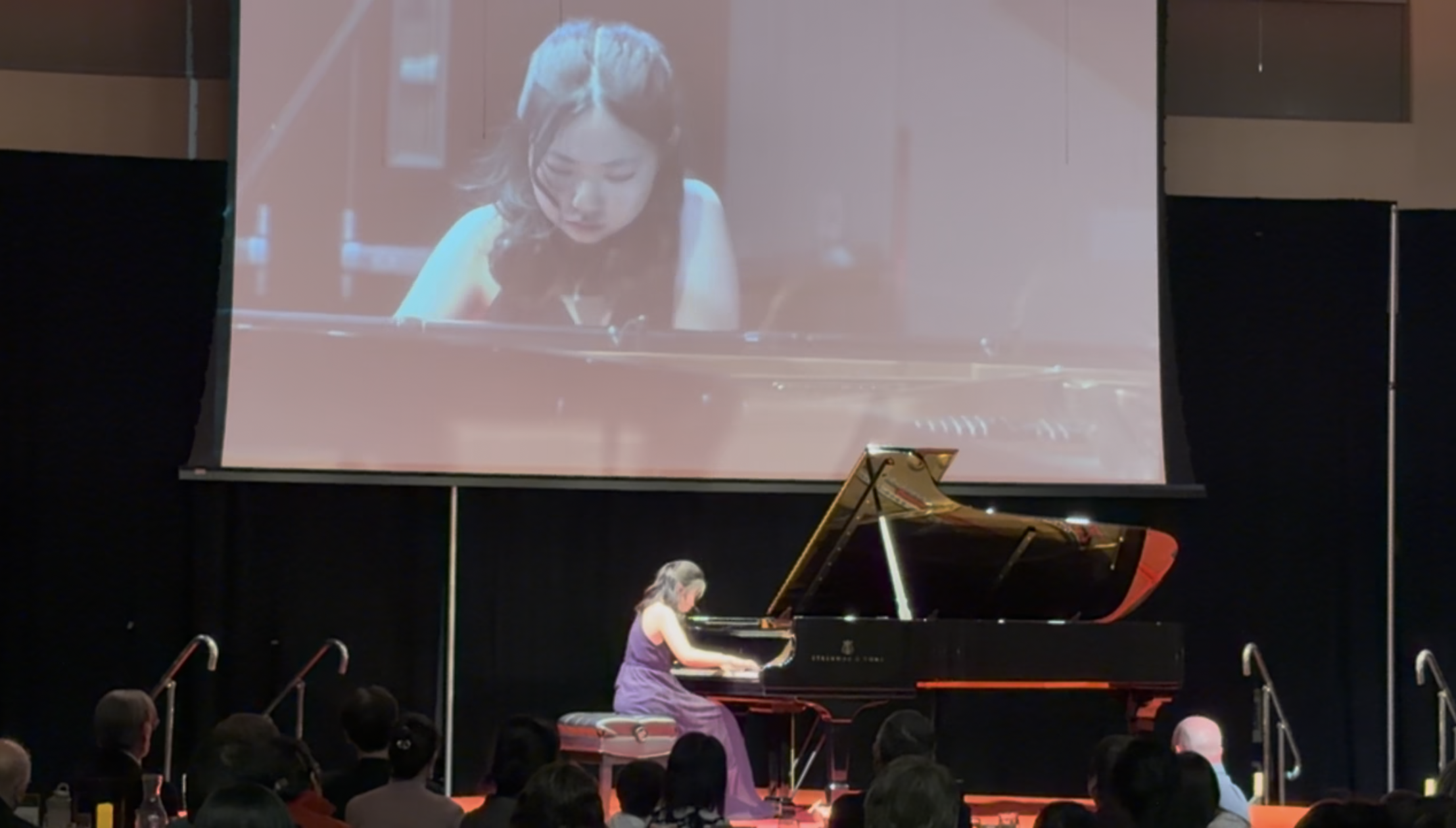
On February 28, I had the beautiful privilege of stepping away from the competition circuit to play for the residents at Ivy Park in San Jose, an outreach initiative close to my heart organized by Valley Christian’s Love Through Music Club. The air in the room was completely still as the first notes of Chopin drifted out into the space. In those moments, looking into the eyes of listeners—many of whom are navigating the heavy fog of dementia—any lingering anxiety about perfect technique completely evaporated. I wasn’t playing to impress a panel of judges; I was playing to connect, heart to heart, with people who were finding a brief moment of peace, comfort, or a fleeting, precious memory through the music.

This is the exact philosophy that anchors everything we do at Equal Keys for All. Music is a fundamental human right, a universal solace that belongs to everyone, regardless of age, background, or neurological makeup. When we take the stage outside of traditional venues, we are practicing what we teach our students every Sunday: radical empathy. We are learning to “tune the room,” meeting our audience exactly where they are and using the piano as a bridge to split-second, profound human connection.

Back to Blog

The Brain on Keys: Growing Minds and Building Community

When one of our students sits down at the piano with a mentor, it honestly just looks like they are learning to press the right keys. But there is actually so much more going on beneath the surface.

At Equal Keys for All, we know that learning an instrument is about way more than just making music. It is really about creating a safe and supportive space where neurodiverse kids can just be themselves and thrive. Piano is a beautiful instrument, but it is also a totally amazing tool for building cognitive strength and emotional resilience.

Here is a look at the hidden brain-boosting benefits we get to see in our lessons every single week.

1. Building Patience and Focus

You know that feeling when you have to juggle a million things at once? That is your brain's executive function at work. It is basically the management system that helps us hold attention, switch tasks, and manage our impulses. Playing the piano naturally strengthens this system in a super engaging way. A student has to read a note, translate it to their fingers, and listen to the sound all at the exact same time. When a student plays a wrong note, takes a deep breath, and tries the measure again, they are not just learning a song. They are actively practicing the kind of patience and self-control that helps them out in the classroom and in real life.

2. Two Hands Working Together

One of the biggest hurdles and honestly the greatest triumphs in piano is getting the left and right hands to play totally different parts at the exact same time. This physical coordination actually forces the two hemispheres of the brain to communicate more efficiently. As a teacher, there is really nothing quite like watching a student's face light up when they finally get both hands to work together. That "I actually did it!" moment builds a massive amount of lasting confidence.

3. Finding Calm in the Rhythm

The world can be a really overwhelming place, especially for neurodivergent kids. In our practice spaces, we get to witness the calming effect of rhythm firsthand. The brain naturally syncs to a steady beat, which can actually help soothe a racing mind and calm the nervous system down. Finding the groove of a simple melody gives our students a comfortable and structured outlet to process their emotions. And the best part is they do not even need to find the right words to do it.

4. Redefining Success Together

The absolute best part of this whole initiative is that we get to redefine what success looks like. A great lesson is not measured by a flawless performance. Often, the real victory is a student keeping their focus for five whole minutes, laughing through a super challenging scale, or sharing a high-five with their mentor.

By making these lessons accessible, we are doing way more than just teaching chords and scales. We are building a community where every student has the support they need to unlock their own potential, one key at a time.

Back to Blog

The Magic of Making Mistakes: Why Wrong Notes are Welcome Here

If you have ever taken a music lesson, you probably know that sinking feeling when you hit the wrong key. The room gets quiet and you instantly feel like you messed everything up.

Classical piano has this reputation for being incredibly strict and demanding absolute perfection. But honestly, that is the exact opposite of what we are trying to do at Equal Keys for All. When we host our lessons over at the Enlighten Youth Club, we actually celebrate the wrong notes. Here is why making mistakes is the absolute best way to learn and grow.

1. Breaking the Perfection Trap

For a lot of kids, especially those who are neurodivergent, the fear of doing something wrong can be totally paralyzing. It can make learning feel like a chore instead of a super fun experience. By creating a space where mistakes are completely normal and even expected, we take all that heavy pressure away. We want our students to know that the piano bench is a safe zone. If you mess up a chord, we just laugh about it and try again together.

2. How the Brain Learns

There is a really cool psychology reason behind why mistakes are so important. When you are learning a new piece and you hit a wrong note, your brain actually wakes up to figure out what happened. And when you correct that mistake on the next try, your brain builds a brand new and super strong neural pathway. You are literally rewiring your brain to be more adaptable and resilient every single time you mess up and try again.

3. Building Real Confidence

Perfection does not build confidence. Bouncing back from a mistake builds confidence. When our mentors sit next to a student and help them work through a tricky section of sheet music, they are teaching them how to handle frustration. That is a skill that goes way beyond the music room. Whether you are taking a math test or just trying to navigate a hard conversation with a friend, knowing that you can recover from a slip-up is a huge deal.

4. The Joy of the Process

Music is supposed to be fun and expressive. If we only focus on playing perfectly, we totally miss out on the joy of just making sounds and experimenting. Sometimes a wrong note actually sounds really cool and leads to a fun little improvisation moment.

So if you or your child are thinking about joining us but feel worried about not being good enough, please leave that worry at the door. We honestly cannot wait to hear all your beautiful mistakes.

Back to Blog

From Piano Keys to AP Tests: Why Music Makes School Easier

Being a junior in high school is honestly a lot to handle. Between trying to figure out college applications and keeping up with classes, my brain usually feels completely fried by the time I get home. People always ask me how I have time to practice piano with all my homework. But honestly, playing the piano is the exact reason I can actually get through my homework.

At Equal Keys for All, parents sometimes worry that adding music lessons to a busy school schedule will just be too much for their kids. But music is not a distraction. It is basically the best study hack ever. Here is how playing an instrument secretly makes school so much easier.

1. Math You Can Actually Hear

Music and math are so deeply connected it is crazy. When you are reading sheet music, your brain is instantly calculating fractions with every single quarter note and eighth note. Right now I am learning about the Fundamental Theorem of Calculus and trig derivatives in school. It sounds super intimidating, but breaking down those complex math equations uses the exact same logic skills as breaking down a massive piece of classical music. It is all just finding the patterns and solving the puzzle.

2. Building Brain Endurance

Sitting down to write a giant AP English Language essay takes a ridiculous amount of focus. You cannot just stare at the wall. You have to sit there and grind it out. Learning a new piano piece builds that exact same mental stamina. When our students practice focusing on a tricky section of a song for ten whole minutes, they are training their brains to sit still and focus in their normal classrooms too. We are building their attention span without them even realizing it.

3. The Ultimate Memory Trick

Have you ever tried to memorize a ten-page piece of sheet music? It forces your brain to create these super strong memory pathways. You have to memorize how the music looks on the page, how it sounds in your ears, and how the keys actually feel under your fingers. Once your brain gets really good at doing that, memorizing vocabulary words or science facts for school feels like an absolute breeze.

4. A Total Reset Button

School is stressful and sometimes you just need to totally unplug. The piano is my absolute favorite way to reset my brain. When I am playing, I am not thinking about my next exam or my grades. Giving your brain that time to just chill and be creative is so important for surviving the school year.

That is exactly the kind of peaceful and supportive space we want to give all our students. We are not just teaching them how to play a beautiful song. We are giving them the tools to feel more confident and focused in everything else they do.

Back to Blog

Painting with Sound: How Art and Music Connect

If you know me outside of Equal Keys for All, you probably know that my two biggest passions are playing the piano and making visual art. Sometimes people think they are totally separate worlds. One is just for your ears and the other is for your eyes. But honestly to me, they feel like the exact same language.

When I am not sitting at the piano bench, I am usually working on an art piece for an exhibition like NUMU or getting a portfolio ready for the Scholastic awards. Working in both of these creative spaces has totally changed how I teach our students. Here is why music and art are basically best friends.

1. Seeing Colors in the Chords

When you first look at a piece of sheet music, it honestly just looks like a boring black and white sketch. But when you start playing, it is like you are painting a giant canvas. A really loud and dramatic chord feels like a bright splash of red paint. A quiet and gentle melody feels like a soft blue watercolor. When a student is having a hard time understanding the emotion of a piece, I love asking them what color they think the music is. It is amazing how much it totally changes the way they play it.

2. Finding the Rhythm on a Canvas

The connection definitely goes the other way too. When I am drawing or painting, I always notice that my brushstrokes have a very specific rhythm. There is a tempo to visual art just like there is a tempo in a Chopin piece. Some parts of a painting are fast and energetic, and other parts are slow and super detailed. For our neurodiverse students who might be really strong visual learners, realizing that music has a shape and art has a beat is a massive lightbulb moment.

3. A Different Way to Communicate

Both art and music give kids a way to speak without ever having to open their mouths or find the perfect sentence. Sometimes it is really hard to find the right words to explain how you are feeling on a rough day. But you can always press a heavy key on the piano or draw a super dark line on a piece of paper to get that frustration out. They are both just different tools for the exact same job.

4. Creativity is a Giant Sandbox

At the end of the day, we just want our students to feel totally free to express themselves. Whether they are blending colors on a palette or trying out a brand new chord progression, they are building their creative confidence. We want them to know that their ideas matter and that they have the power to create something beautiful from scratch. And that confidence is something nobody can ever take away from them.

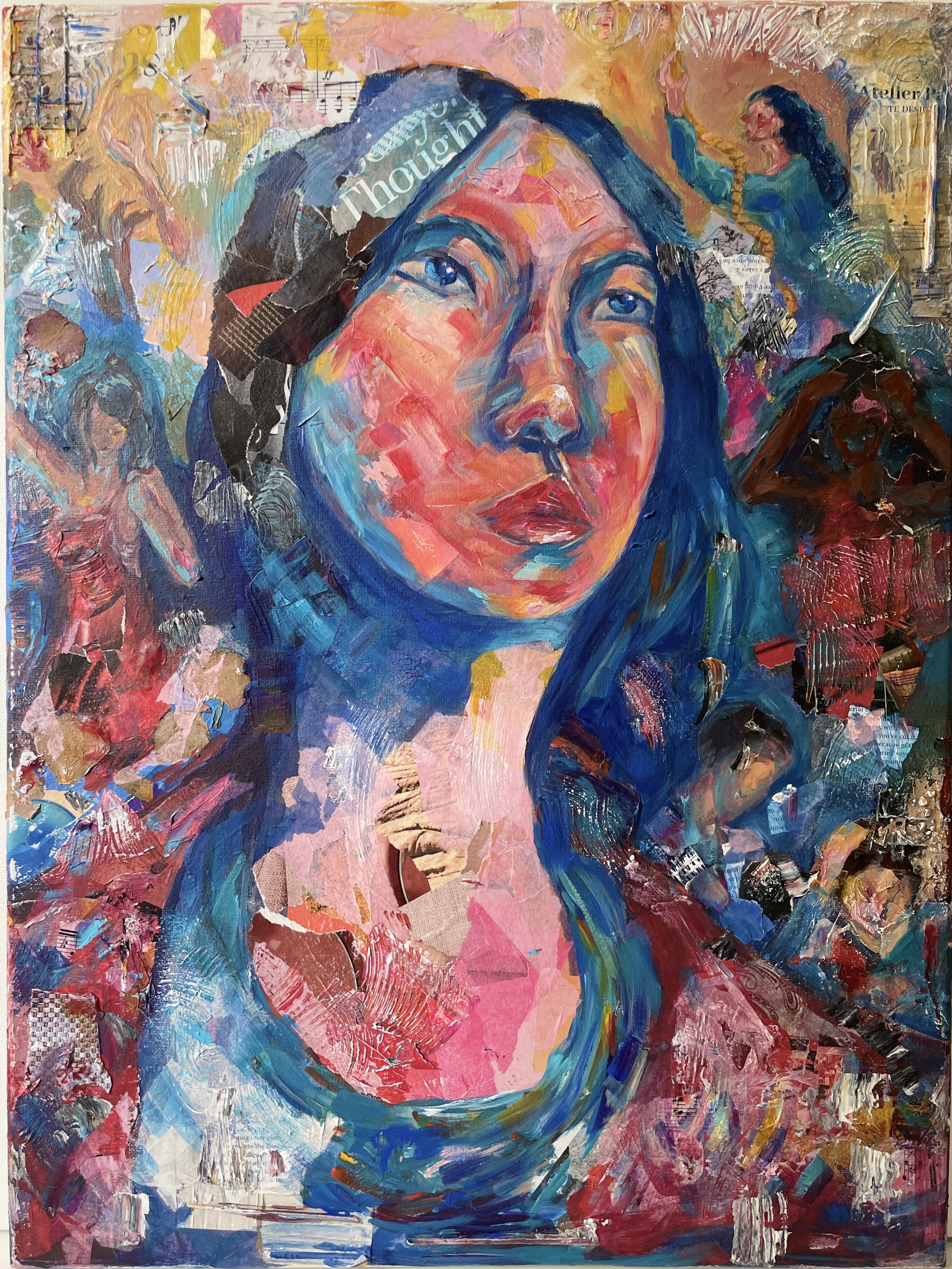
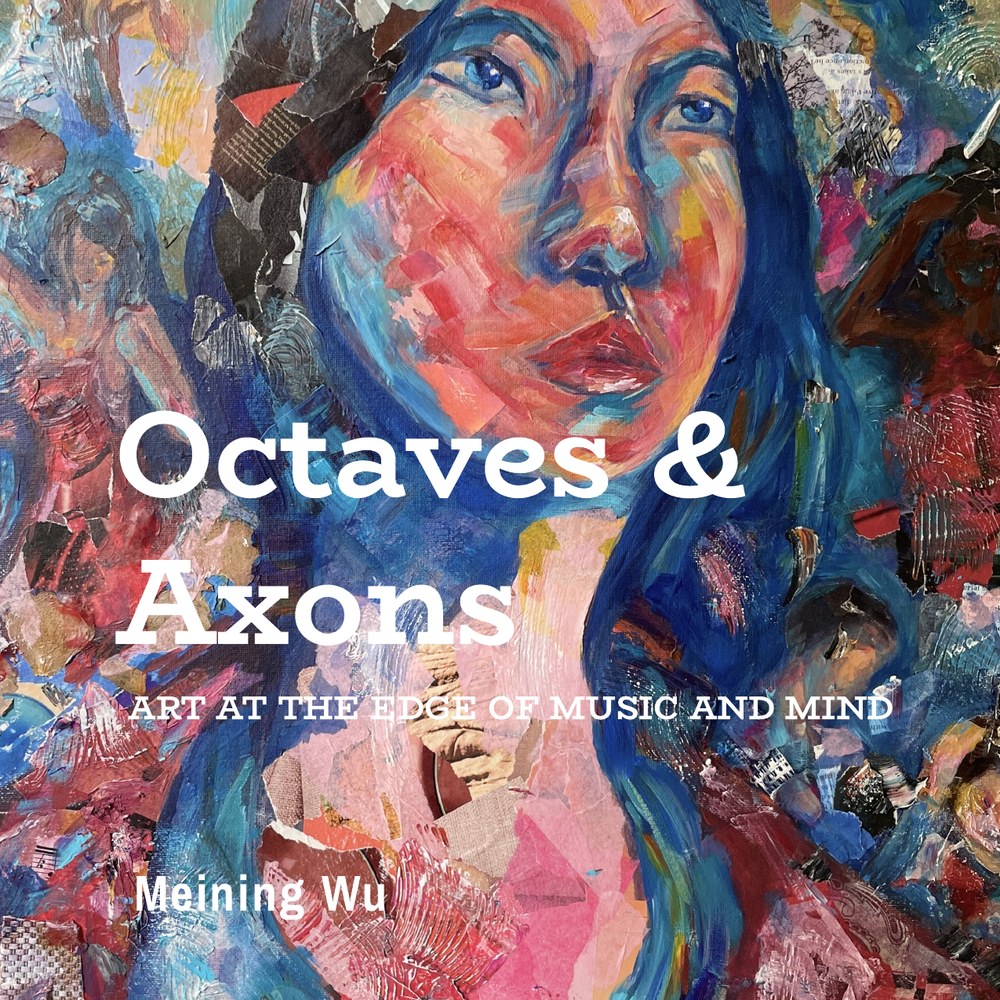
Self Portrait by Meining Wu

Self Portrait (Meining Wu)

Scholastic Art and Writing Silver Key, Celebrating Arts High Merit Award

Happenings — In the Spotlight

Recent news and achievements from our community

May 24, 2026

EKFA Founder and Instructor Perform Rachmaninoff Concerto at SFCM

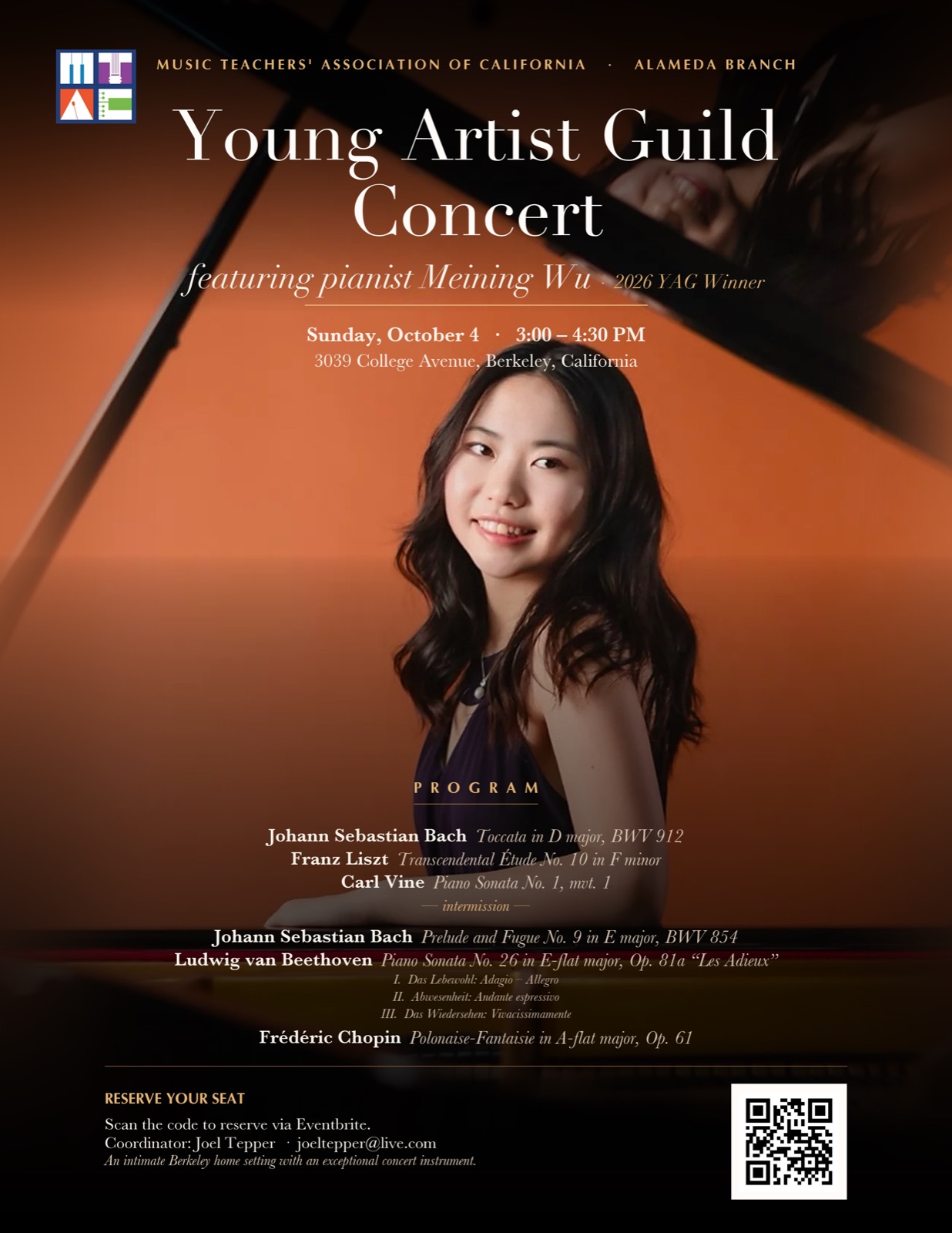
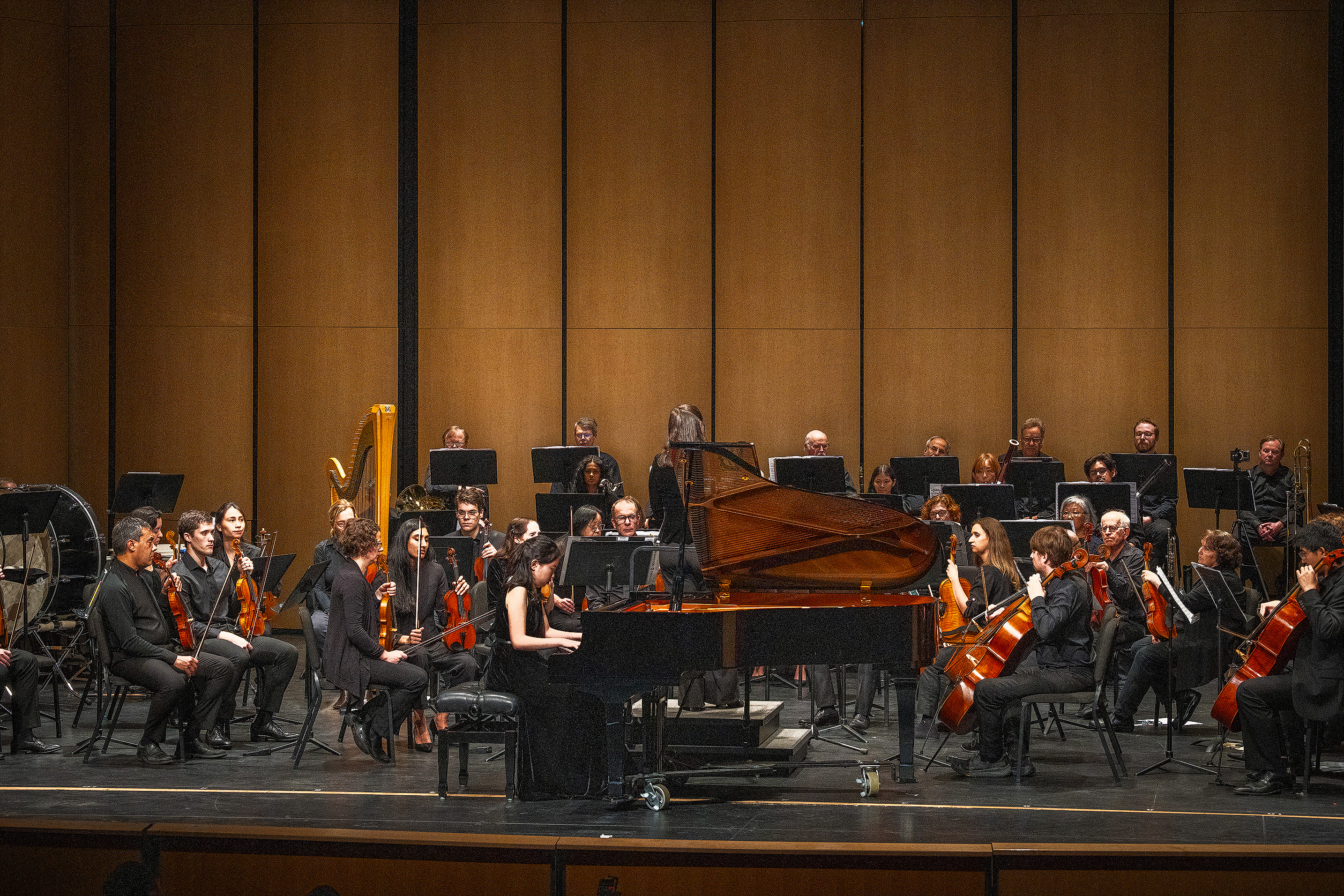
Equal Keys for All is thrilled to celebrate the recent artistic achievements of our founder, Meining Wu, and Ethan Li. On May 24, both musicians performed as featured soloists at the Caroline H. Hume Concert Hall at the San Francisco Conservatory of Music.

The event marked the inaugural Valley Christian Conservatory of the Arts Concerto Competition Winners Concert. Sharing the stage under the direction of conductor Chih-Yao Chang, Ethan performed the first movement (Moderato) of Rachmaninoff's Piano Concerto No. 2, while Meining performed the third movement (Allegro Scherzando). Their performances reflect the same passion, discipline, and love for music that they bring to our EKFA students every week.

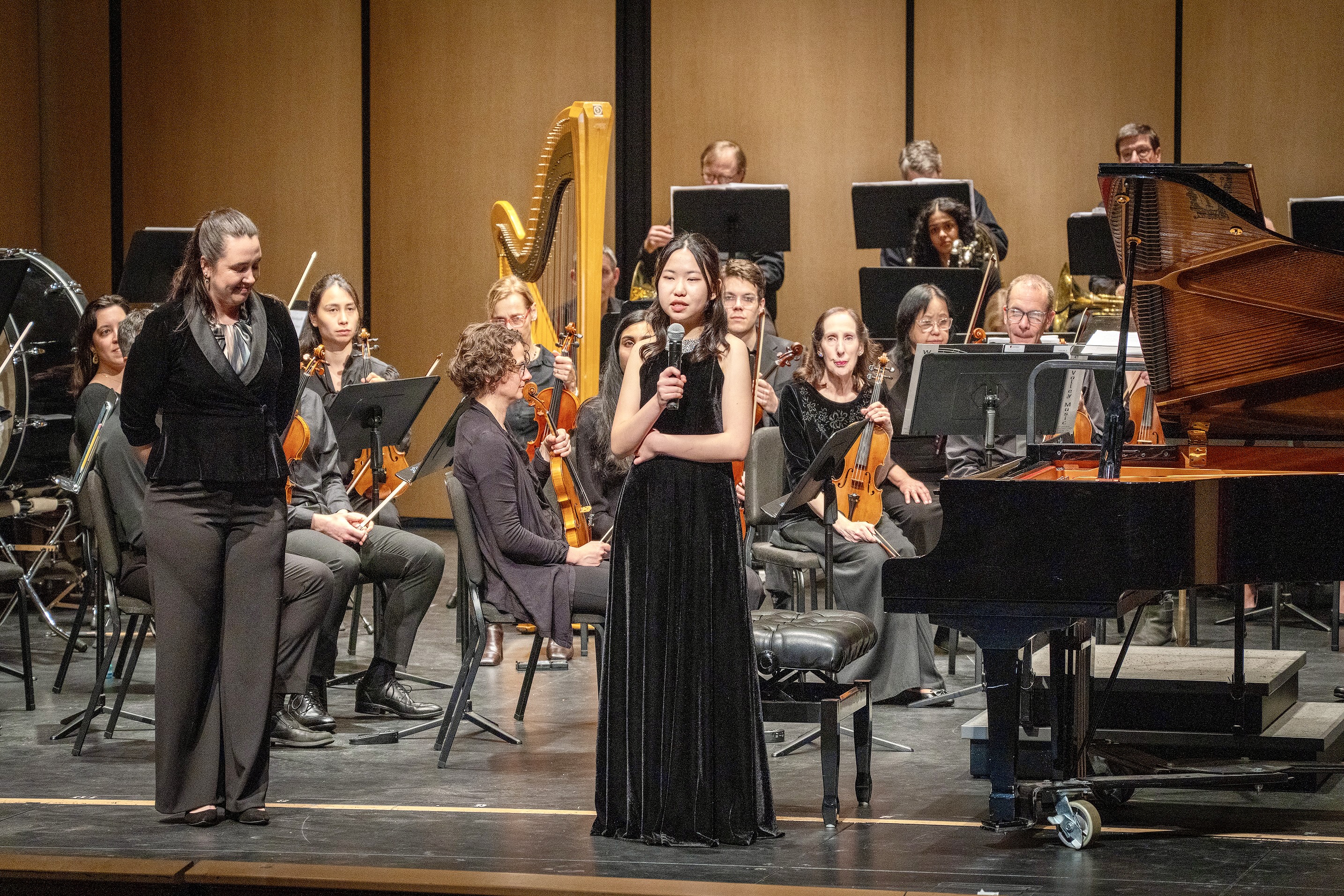
Meining Wu and Ethan Li at SFCM Caroline H. Hume Concert Hall
Performing Rachmaninoff Piano Concerto No. 2 with conductor Chih-Yao Chang
Valley Christian Concerto Competition Winners Concert Valley Christian Conservatory Concerto Competition Winners
May 23, 2026

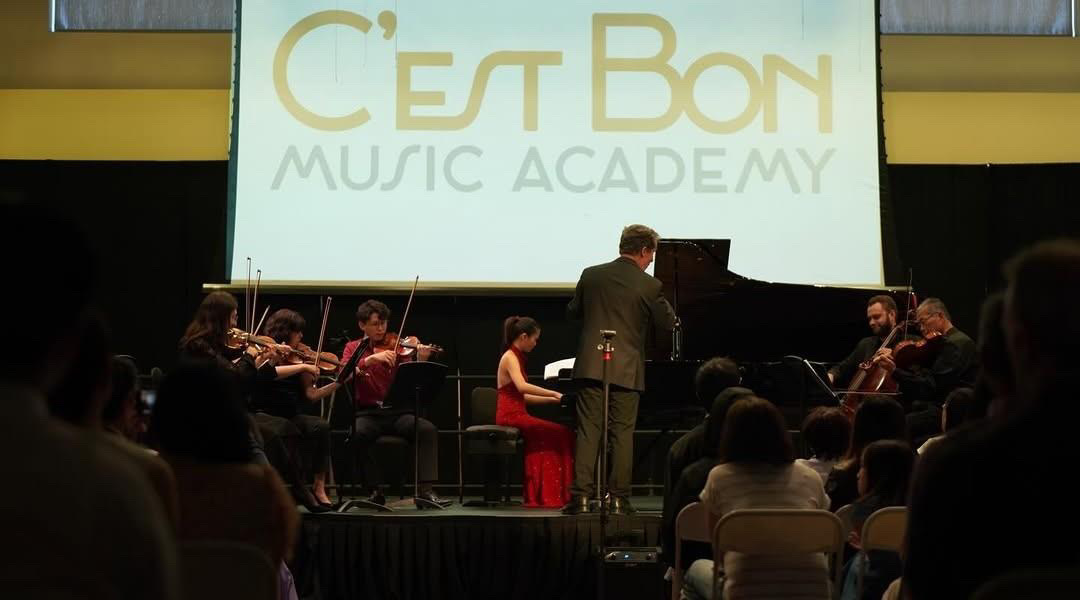
Karen Matsui Wins C'est Bon Concerto Competition!

We are so proud to share that Karen Matsui has won the concerto competition at the C'est Bon Chamber Music Academy 2026! As a winner, Karen will perform with the academy's faculty orchestra on June 20 at the academy. This is a fantastic recognition of Karen's musicianship and dedication, and we cannot wait to cheer her on at the concert! Learn more about C'est Bon

This win continues an incredible spring season for our team — following Karen's selection as a GSYO Concerto Competition finalist and her Think Music Award at Valley Christian's An Evening of Note. Every collaboration, masterclass, and chamber performance Karen brings home expands the toolkit she shares with our Equal Keys for All students every Sunday — and that is exactly what our mission is all about.

Karen Matsui — C'est Bon Chamber Music Academy 2026 Concerto Competition Winner
May 2, 2026

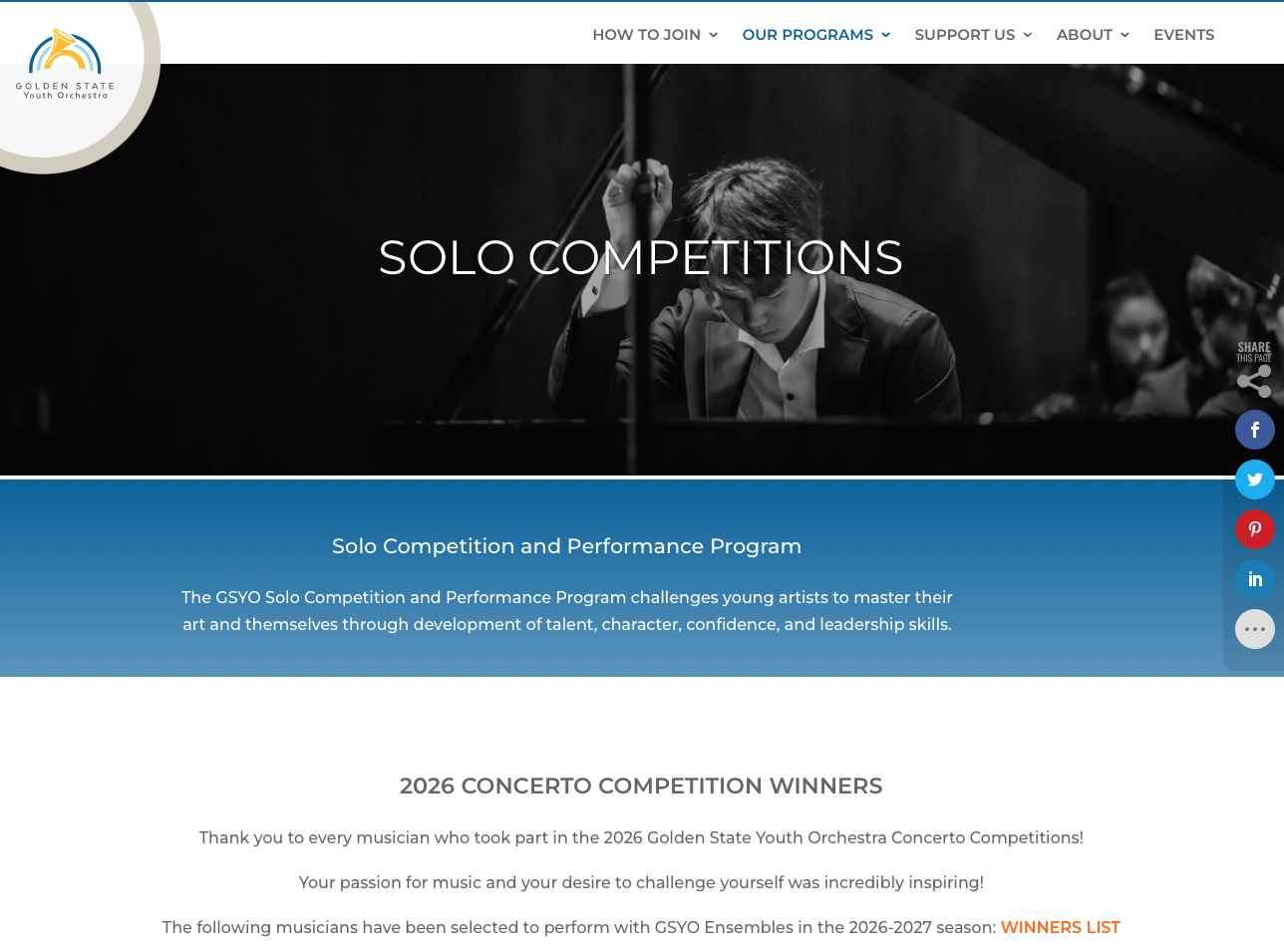
Looking Ahead: GSYO Concerto Competition Win

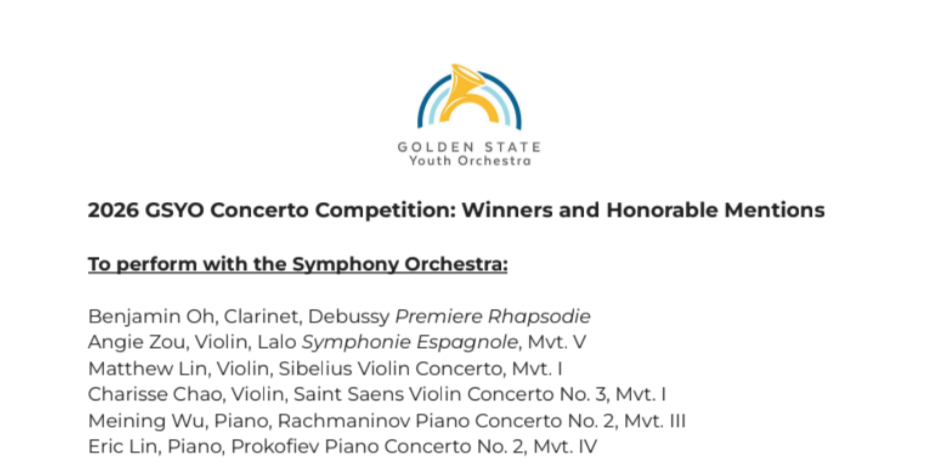
We are thrilled to share some exciting news for the upcoming musical season! On May 1, EKFA founder Meining Wu competed in the final round of the Golden State Youth Orchestra (GSYO) Concerto Competition and was officially selected as one of the piano winners.

As a winner, Meining will be featured as a guest soloist, playing alongside the Golden State Youth Orchestra during their upcoming 2026–2027 concert season. We always encourage our students to set big goals and share their unique musical voices, and we are so proud of our team for leading by example. Stay tuned for concert dates and ticket information later this year! See the winner announcement

GSYO Concerto Competition GSYO Concerto Competition Winner
April 20, 2026

Spring Stage Highlights: EKFA Instructors in Concert & Award Winners!

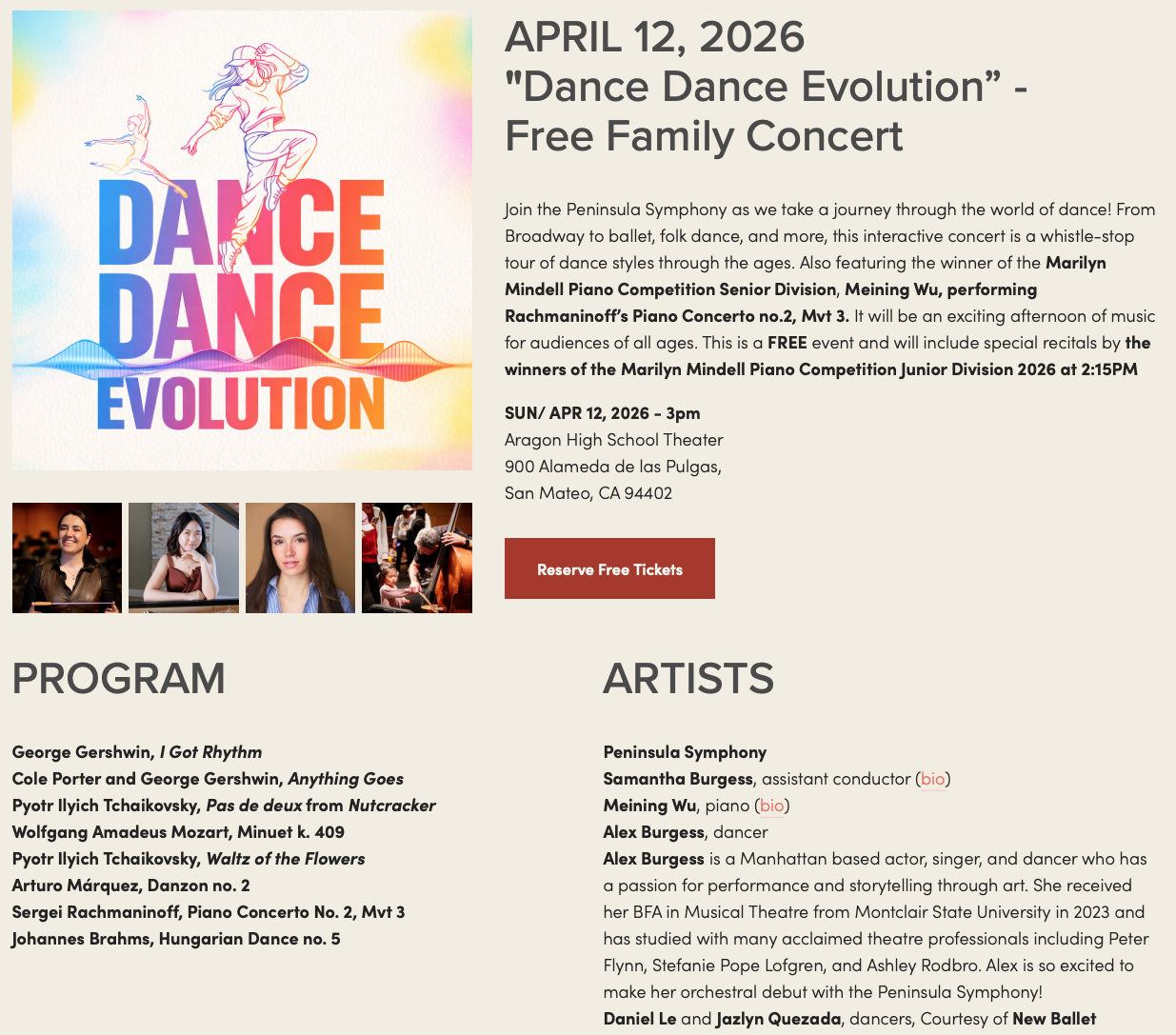
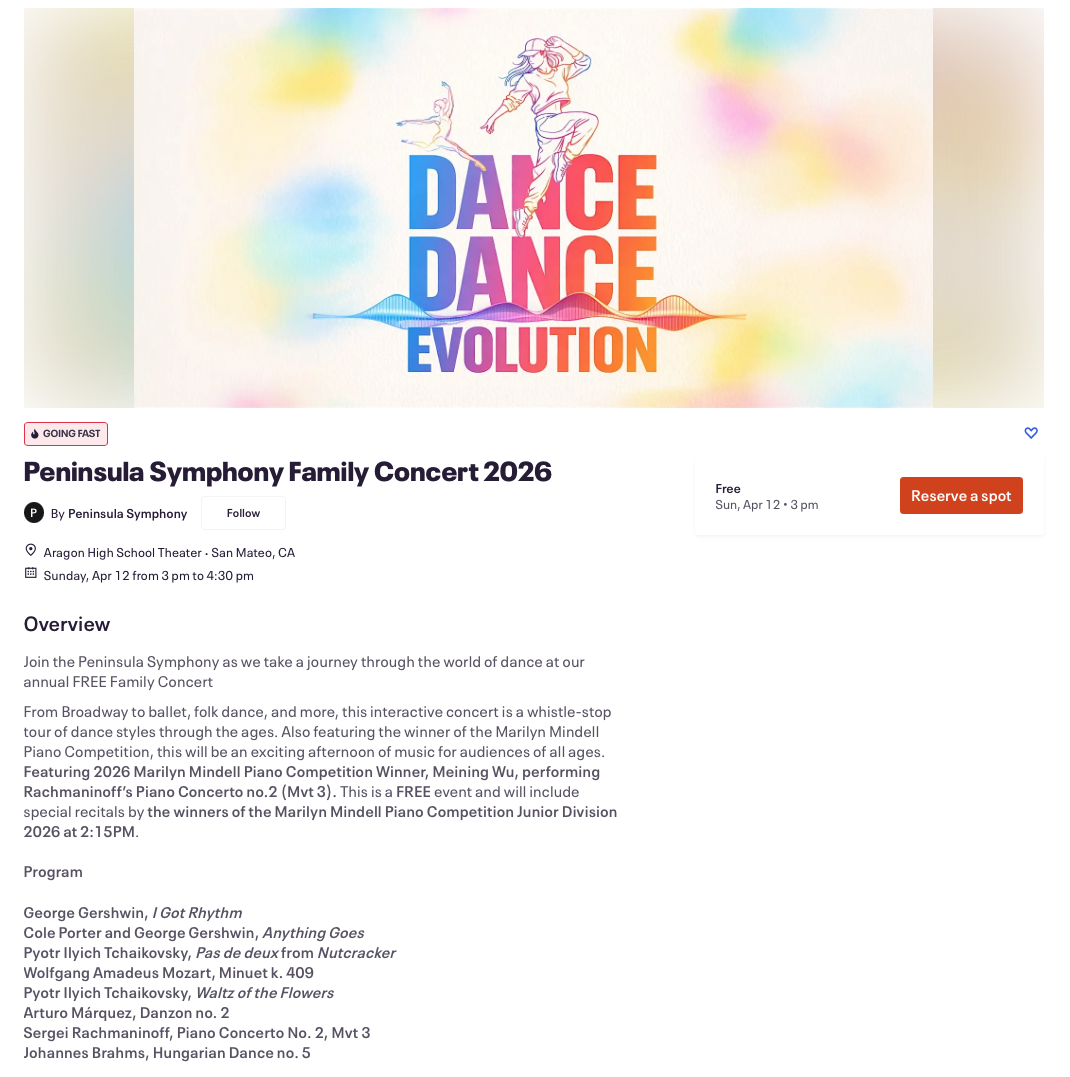
Our Equal Keys for All volunteer instructors have been incredibly busy sharing their love for music on stage this spring! On April 12, EKFA founder Meining Wu had the wonderful opportunity to perform the thrilling 3rd movement of Rachmaninoff’s Piano Concerto No. 2 in C minor, Op. 18, as a featured soloist with the Peninsula Symphony during their Family Concert.

Meining Wu performing with Peninsula Symphony Peninsula Symphony Family Concert

The momentum continued on April 18 when our entire team of EKFA volunteer members took the stage to perform at the Valley Christian Conservatory’s annual “An Evening of Note” concert. We are especially proud to announce that Meining and Karen were both honored with the annual Think Music Awards! We are so incredibly proud of our instructors for their dedication to their craft, and we love how their performance experiences bring fresh inspiration and energy right back to our EKFA classrooms.

An Evening of Note performance Think Music Award winners
EKFA team at An Evening of Note
April 17, 2026

Expanding Our Impact: Acceptance into the Stanford Neurodiversity Project

On April 17, we received incredibly exciting news! Equal Keys for All founder Meining Wu has been officially accepted into the highly selective Stanford Neurodiversity Project – REACH (SNP-REACH) program for this upcoming summer.

Because EKFA is deeply committed to providing accessible, inclusive, and empowering piano instruction for neurodiverse youth, this is a massive milestone for our organization. Meining will be spending the summer at Stanford studying the intersection of neurodiversity, cognitive development, and education. We cannot wait to bring this cutting-edge research and these new clinical strategies right back to our classrooms to make our adaptive piano curriculum even more effective for our students! Learn more about the program

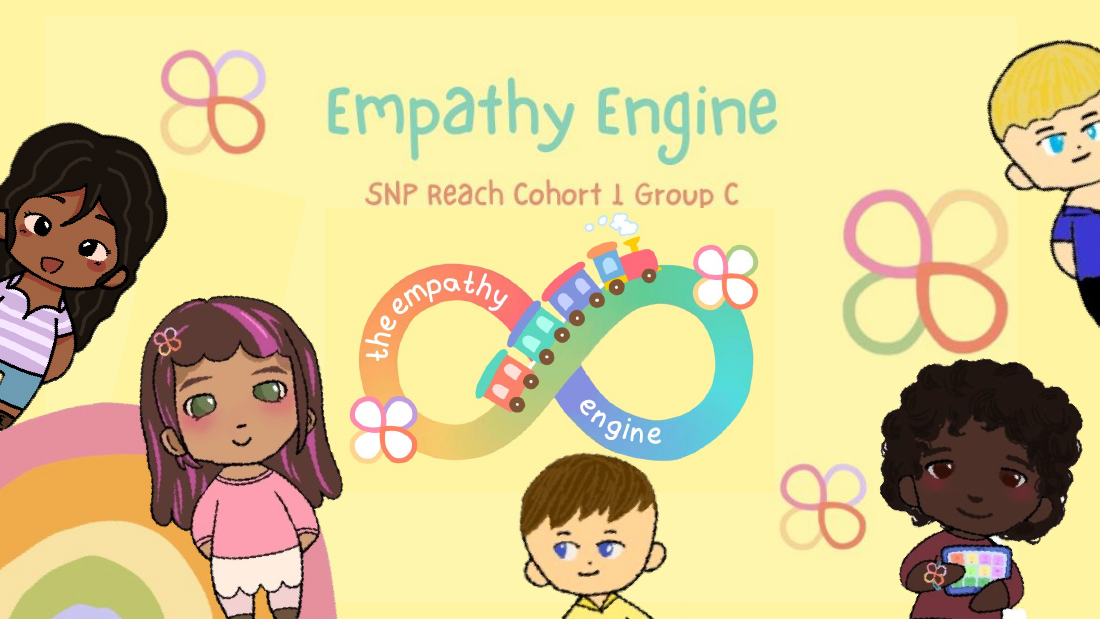
Stanford Neurodiversity Project REACH
April 5, 2026

A Massive Milestone: Meining Selected for MTAC Young Artist Guild!

Equal Keys for All is unbelievably excited to share some huge news with our community! Our founder, Meining Wu, was recently selected for the 2026 Music Teachers Association of California Young Artist Guild. Getting into YAG is the absolute highest honor in the MTAC Certificate of Merit program. It is a true testament to her years of intense practice, and it means she will have the incredible opportunity to travel and perform at different branch concerts all across California!

The absolute best part of this amazing achievement is that Meining brings everything she learned from this rigorous audition process right back here to Equal Keys for All. We are so incredibly excited for her to share all of these new performance skills and practice techniques with our amazing students. Thank you all so much for your endless support of our entire team! Learn more about YAG

MTAC Young Artist Guild
April 3, 2026

Founder Meining Wu to Perform with the Peninsula Symphony!

Equal Keys for All is incredibly excited to announce an upcoming performance by our founder Meining Wu! She will be playing the beautiful third movement of Rachmaninoff's Piano Concerto No. 2 with the amazing Peninsula Symphony. This event is a special Family Concert and the entire community is invited to be in the audience to cheer her on. The absolute best part is that tickets are completely free! Reserve your spot here

Peninsula Symphony Family Concert
April 1, 2026

Heading to the GSYO Finals!

We have some more incredibly exciting news to share! Both Meining Wu and Karen Matsui have been selected as official finalists for the 2026 Golden State Youth Orchestra Piano Competition. We are so absolutely thrilled to represent our Equal Keys for All team on such a huge stage. The big competition is happening on April 26, 2026. Check out the event details

March 31, 2026

TSIPF Concerto Competition Winner

Congratulations to our founder Meining Wu for winning the 2026 Texas State International Piano Festival Concerto Competition! She will perform Rachmaninoff's Piano Concerto No. 2, Mvt. 3 with the Central Texas Philharmonic at the festival's Finale Concert on June 13th, 2026. Learn more about TSIPF

March 28, 2026

MTAC Regional 1st Place Winners

Congratulations to our founder Meining Wu and member Ethan Li for winning Regional 1st Place in the 2026 MTAC Piano Concerto and Solo Competition categories! They will compete at the State Finals at the MTAC Convention in June.

March 21, 2026

Marilyn Mindell 1st Place & Best Sonata Award

Congratulations to our founder Meining Wu for winning 1st Place and Best Sonata Award in the 2026 Marilyn Mindell Piano Competition Senior Division! She will perform Rachmaninoff's Piano Concerto No. 2, Mvt. 3 with the Peninsula Symphony on Sun, April 12, 2026 at 3 PM at Aragon High School Theatre. Click here to claim your FREE tickets

Peninsula Symphony Family Concert
March 4, 2026

All Three Team Members Selected for An Evening of Note

We are so incredibly excited to share that all three of our Equal Keys for All team members—Meining Wu, Ethan Li, and Karen Matsui—have been selected to perform at An Evening of Note at the Valley Conservatory! It is such a huge honor for our entire team to be featured together in this amazing showcase. See the official announcement

An Evening of Note
February 28, 2026

Catch Us Playing at Ivy Park!

Come hang out and watch our founder Meining Wu play some beautiful Chopin and Beethoven at Ivy Park right here in San Jose! This performance is a really special part of a community outreach program led by the Love Through Music Club at Valley Christian High School. Sharing live music with our local community is exactly what we are all about, and we would absolutely love to see you there in the audience.

February 1, 2026

Huge Congratulations to Meining and Ethan!

We are so incredibly proud to announce that our founder Meining Wu and our amazing volunteer instructor Ethan Li just won the very first Valley Christian Conservatory Instrumental Concerto Competition! Because of this huge win, they get to perform Rachmaninoff's Piano Concerto No. 2, Mvt. 1 and Mvt. 3 with a massive full symphony orchestra featuring professional musicians from the San Francisco Conservatory of Music. The big concert is happening at the Caroline H. Hume Concert Hall on May 24. You can grab your tickets starting May 1 at boxoffice.vcs.net. See the announcement

Valley Christian Concerto Competition Winners

Get Involved

Whether you are a parent, educator, or musician, there is a place for you here

For Parents & Educators

If traditional piano lessons haven't worked for your child, or if you are an educator at a local Title 1 school interested in bringing our adaptive art and music programs to your classroom, we want to hear from you.

No prior musical experience or strict behavioral prerequisites are required—just a willingness to explore sound and creativity!

  • Sign Up for a Trial Lesson: A low-pressure, sensory-friendly introductory session.
  • School Partnerships: Contact us to bring our custom-designed syllabus to your after-school program.
join us

For Musicians & Volunteers

Are you a pianist, artist, or high school student in the San Jose area passionate about youth development? Join our team!

  • Become a Mentor: You don't need to be a piano virtuoso—you just need patience, adaptability, and a belief in radical empathy. We'll train you on our kinetic and sensory-friendly teaching methods.
  • Support Our Outreach: Help us organize materials, assist in our tactile art classes, or coordinate our community center events.
$ give back

Donate

Your generous contribution helps us provide free adaptive piano lessons, art supplies, and sensory-friendly materials to underserved youth in our community.

  • Every Dollar Counts: 100% of donations go directly to funding lessons, instruments, and program materials.
Make a Donation

Contact Us

Let's change the room together. Reach out to us with any questions, partnership ideas, or enrollment inquiries.

contact@equalkeys.org

Serving Title 1 schools, community centers,
and after-school programs across
the greater San Jose area

@equalkeysforall

Email Us Schedule a Trial Lesson